
It is the ultimate digital irony: you are paying for a high-speed fiber connection, yet your YouTube experience is plagued by that dreaded spinning wheel of death. In 2026, streaming standards have reached 4K and even 8K resolution, making any interruption feel like a major performance failure. If you are asking, “why is YouTube buffering on fast internet?” you aren’t alone.
While your ISP might be delivering the speed, the bottleneck often lies elsewhere. From background processes to browser-specific conflicts, the issue is usually solvable with a few technical tweaks. In this guide, we will break down exactly how to diagnose and fix your YouTube lag for good.
1. The Immediate Quick Fix: Adjusting Playback Quality
When you are in the middle of a video and the buffering starts, the fastest way to regain momentum is to adjust your playback quality. YouTube’s “Auto” setting often overestimates your current bandwidth stability, pushing for 4K when your local connection might be fluctuating.
- Click the Gear Icon: Located at the bottom right of the video player.
- Select Quality: Change it from “Auto” to 1080p or 720p.
- Test the Stream: If the video plays smoothly, your issue is bandwidth congestion or a temporary drop in signal strength rather than a total hardware failure.
2. Why Is This Happening? Common Culprits
If your internet speed test shows blazing fast results, but YouTube still lags, the issue is likely network congestion or software interference. Even with a 1Gbps connection, your device might be fighting for resources.
Hardware and Network Factors
- Wi-Fi Interference: In 2026, our homes are crowded with smart devices. If your router is on a congested 2.4GHz channel, your streaming quality will suffer. Switch to a 5GHz or 6GHz (Wi-Fi 7) band to reduce latency.
- Outdated Drivers: If you are streaming on a PC, an outdated network adapter driver can lead to packet loss, causing the video to pause frequently.
- VPN Latency: Using a VPN is great for privacy, but it adds an extra “hop” to your connection. If your VPN server is overloaded, your fast internet speed will be throttled.
3. Advanced Troubleshooting Steps
If the basic adjustments haven’t solved your buffering woes, it is time to dig a little deeper into your system settings.
Clear Browser Cache and Cookies
Over time, your browser accumulates temporary files that can slow down media playback. Clearing your cache forces the browser to fetch fresh data from YouTube’s servers, often resolving playback glitches.
Disable Hardware Acceleration
Sometimes, your browser’s “Hardware Acceleration” feature conflicts with your graphics card drivers. Try disabling this in your browser settings (Chrome or Edge) to see if the buffering stops. This is a common YouTube buffering fix for users with high-end gaming rigs.
Check for Background Downloads
Are you downloading a massive game update or syncing cloud files in the background? Even on fast connections, bufferbloat can occur when your upload or download capacity is saturated by background apps. Use your Task Manager or Activity Monitor to identify and kill these bandwidth hogs.

4. When to Contact Your ISP
If you have tried every software fix—including updating your router firmware and flushing your DNS—and you are still seeing buffering, the problem might be ISP-side throttling.
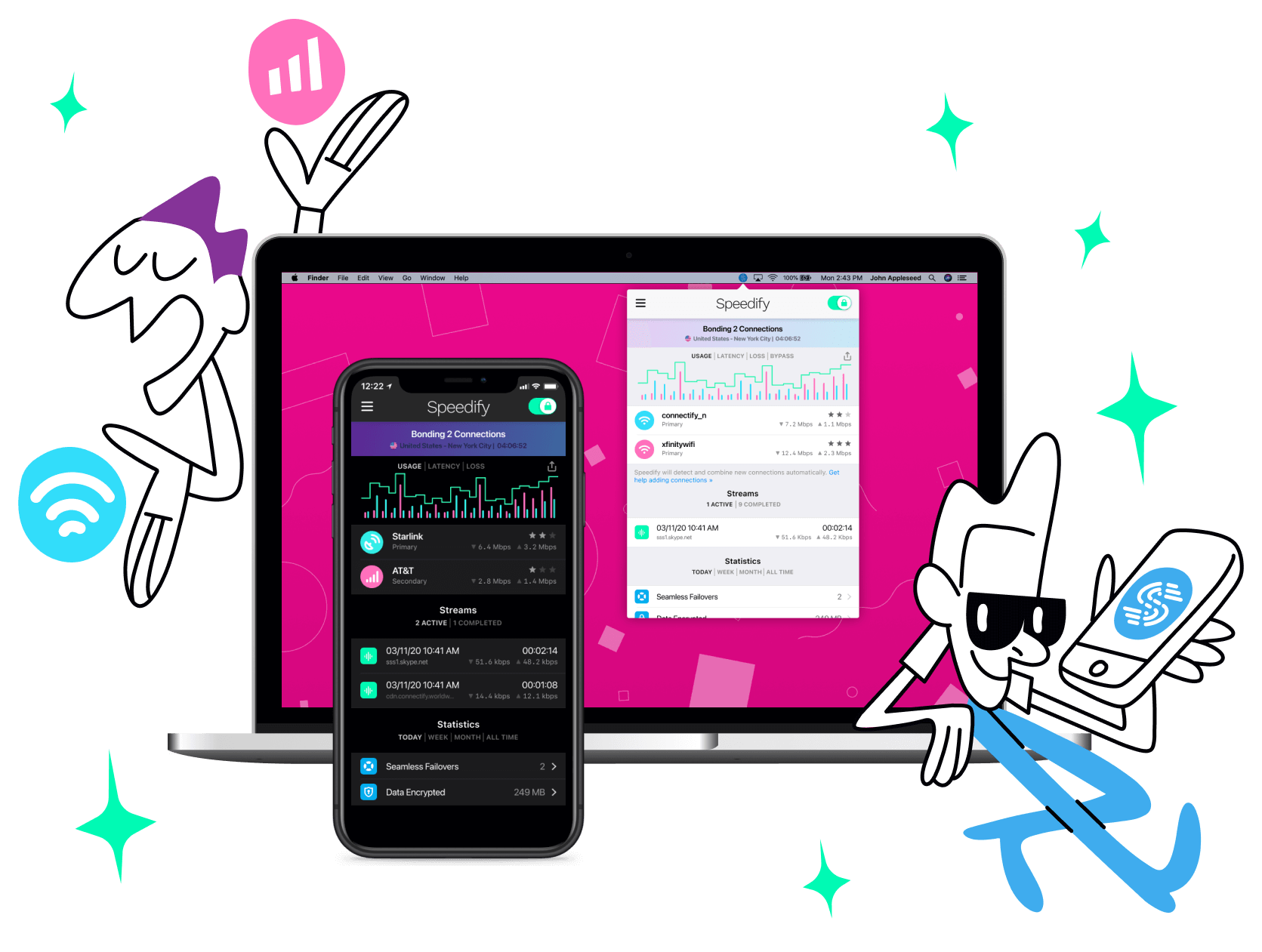
Some Internet Service Providers prioritize traffic differently. If you notice that YouTube only buffers during peak evening hours (8 PM – 11 PM), your ISP might be managing network congestion by limiting bandwidth for high-demand services. In this case, using a high-quality, optimized VPN can sometimes bypass these restrictions by masking the type of traffic you are consuming.
5. Future-Proofing Your Streaming Experience
As we move further into 2026, video files are becoming larger and more complex. To ensure you never deal with buffering again:
- Upgrade your Router: If you are still using an older Wi-Fi 5 router, it may struggle to handle the high throughput required for modern 4K streaming.
- Use Ethernet: When possible, hardwire your streaming device (Smart TV or PC) directly to the router. Nothing beats the stability of a physical Cat6 cable.
- Update your OS: Ensure your operating system is up to date, as modern updates include critical performance patches for network protocols.
Conclusion
Dealing with a buffering YouTube video when you pay for premium internet is incredibly frustrating. However, by systematically checking your playback quality, browser settings, and network environment, you can usually restore your high-definition streaming experience in minutes.
Start with the easiest fixes—like lowering the resolution or switching Wi-Fi bands—before moving to more complex software troubleshooting. With these steps, you will spend less time staring at the loading wheel and more time enjoying your favorite content.