
The wind howls through a desolate canyon, kicking up tumbleweeds and red dust. Two figures stand at opposite ends of a deserted dirt road, hands hovering over their holstered revolvers. The tension is palpable, the atmosphere electric. But as a writer, game designer, or roleplayer, you face an immediate roadblock: what are their names?
If you name your protagonist "Frank Truth" or your villain "Evil McBad," you instantly shatter the reader's immersion. Naming characters in a Western story is a delicate art. The wrong name can make your gritty historical fiction feel like a cheesy caricature, while a historically inaccurate name can alienate your audience entirely.
In this comprehensive 2026 guide, we will dissect the common pitfalls of choosing western story character names, explore the root causes of writer's block in this genre, and provide a step-by-step, actionable framework to craft legendary, historically grounded, and phonetically pleasing names for your frontier heroes and outlaws.
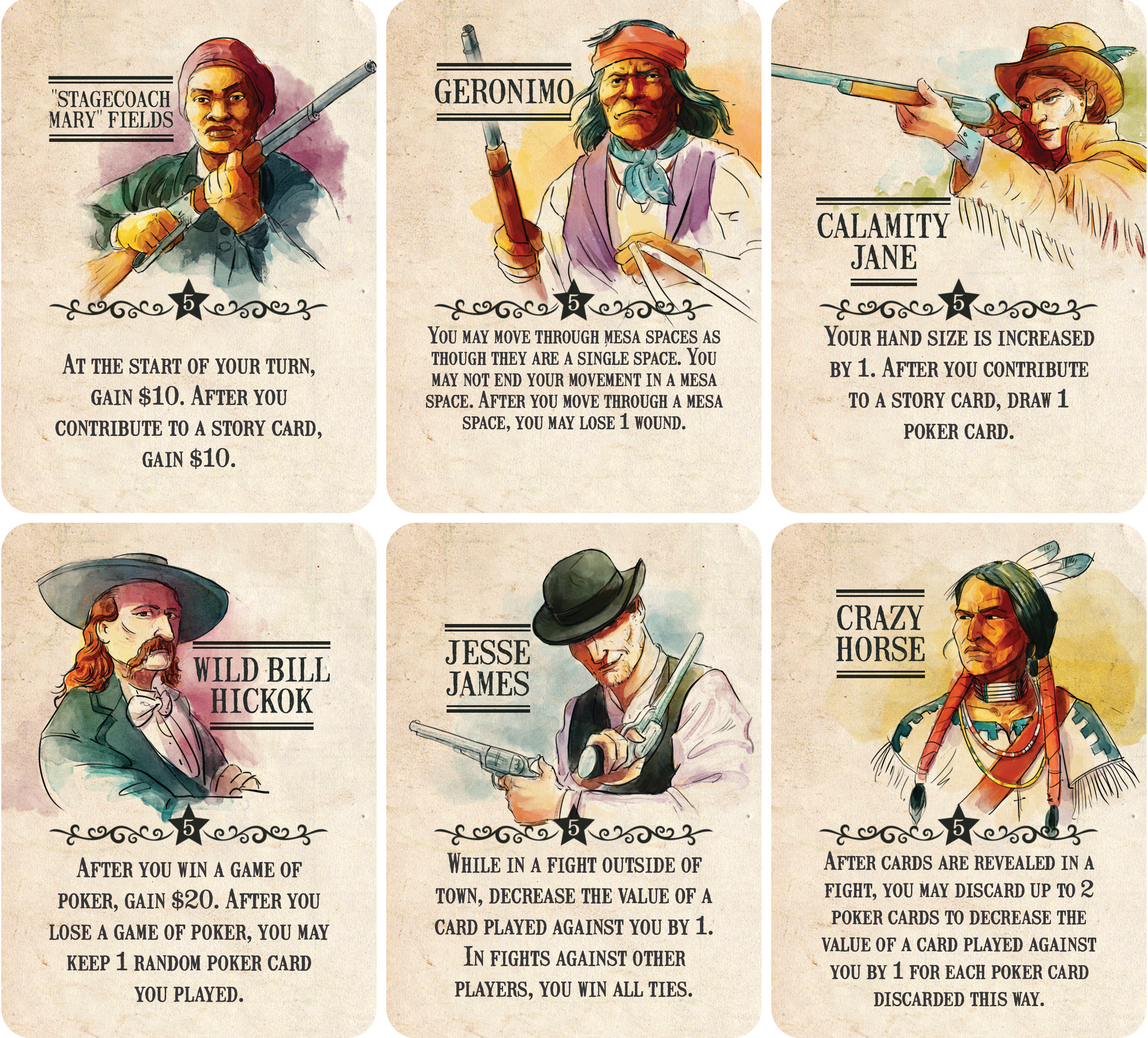
The Writer’s Dilemma: Why Western Character Names Often Fall Flat
Many creators struggle to find the perfect balance between cinematic flair and historical accuracy. When developing a Western narrative, writers frequently run into three major naming obstacles.
The Trap of the Cliché Nickname
We have all seen it before: "Tex," "Slim," "Lefty," or "Blackjack." While these names worked well in early 20th-century dime novels and B-movies, modern audiences in 2026 crave depth. Overusing these stock monikers makes your cast feel like caricatures rather than living, breathing human beings with complex motives.
Phonetic Friction and Cognitive Overload
A common mistake in character generation is creating a lineup of names that sound too similar. If your main characters are named John, Jack, Jesse, and Jeb, your readers will experience cognitive friction. They will constantly pause to remember who is who, breaking the immersive flow of your narrative.
Historical Inaccuracy vs. Modern Sensibilities
The American West of the 19th century was a massive melting pot of cultures, languages, and social classes. Relying solely on modern American names or, conversely, using overly heavy-handed symbolic names (like naming an honest sheriff "Sheriff Righteous") breaks credibility. Your names must reflect the actual demographic makeup of the 1800s frontier.
The Root Cause: Why Naming Wild West Characters is Surprisingly Difficult
To solve the naming problem, we must first understand why the Wild West had such a unique naming landscape. The frontier was a place of reinvention. People fled their pasts, changed their identities, and earned new titles based on their deeds, appearance, or trade.
The Melting Pot of the 19th-Century Frontier
Historical records, including 1800s census, military, and business documents, show that the West was incredibly diverse. It was populated by:
- European Immigrants: Large waves of German, Irish, and Scandinavian settlers.
- Mexican and Mexican-American Communities: Deeply rooted families with rich Spanish naming traditions.
- Chinese Railroad Laborers: Thousands of workers who maintained traditional family-first naming structures.
- Native Americans: Indigenous populations with deeply symbolic names recorded in federal Indian census rolls.
- African-American Buffalo Soldiers and Cowboys: Former enslaved people and freemen carving out new lives.
If your story only features English names, you are missing out on a massive reservoir of authentic, culturally rich character options.
The Evolution of the Wild West Nickname
In the 1800s, legal names were often forgotten. A person's nickname became their identity. These names were rarely self-chosen; they were branded onto a person by their peers.
Nicknames were derived from physical traits (e.g., "Scar" or "Red"), weapon of choice (e.g., "Shotgun" or "Six-Shooter"), or a defining, often embarrassing, event. Understanding this social dynamic is key to creating believable names.
Step-by-Step Solution: How to Craft the Perfect Western Character Name
To avoid clichés and establish immediate historical credibility, follow this professional four-step naming blueprint.
Step 1: Establish the Character's Cultural and Historical Origin
Before picking a name, determine your character's background. Were they born to a deeply religious family in New England? If so, a biblical name like Elijah, Silas, Levi, or Amos is highly appropriate.
Are they of Mexican descent? Use traditional Spanish names like Mateo, Joaquin, or Valentina. If they are of German heritage, names like Heiner or Greta ground them in their roots.
Step 2: Use the "First Name + Nickname + Last Name" Formula
If your character has earned a reputation on the frontier, use the classic three-part naming convention. Place a descriptive, active nickname between their first and last name.
- Formula: [Classic Given Name] + ["The [Attribute/Noun]"] + [Rugged Last Name]
- Example: Cole "The Trigger" Matthews or Pearl "The Pistol" Hart
Step 3: Implement Sound Symbolism and Avoid Phonetic Clash
Ensure your main cast has distinct starting letters and syllable counts.
- Hard Plosives (K, T, P, B, G, D): Use these for rugged, aggressive, or stubborn characters (e.g., Buck Harrison, Butch Cassidy).
- Soft Sibilants and Liquids (S, L, M, N, R): Use these for elusive, cunning, or gentle characters (e.g., Silas Brooks, Della Moore).
Step 4: Draw Inspiration from Real 1800s Census Records
When in doubt, look at actual historical documents. Real-life cowboys, outlaws, and pioneers had names that were stranger and more fascinating than fiction. Avoid modern name generators that spit out generic 21st-century names with a "cowboy" filter.
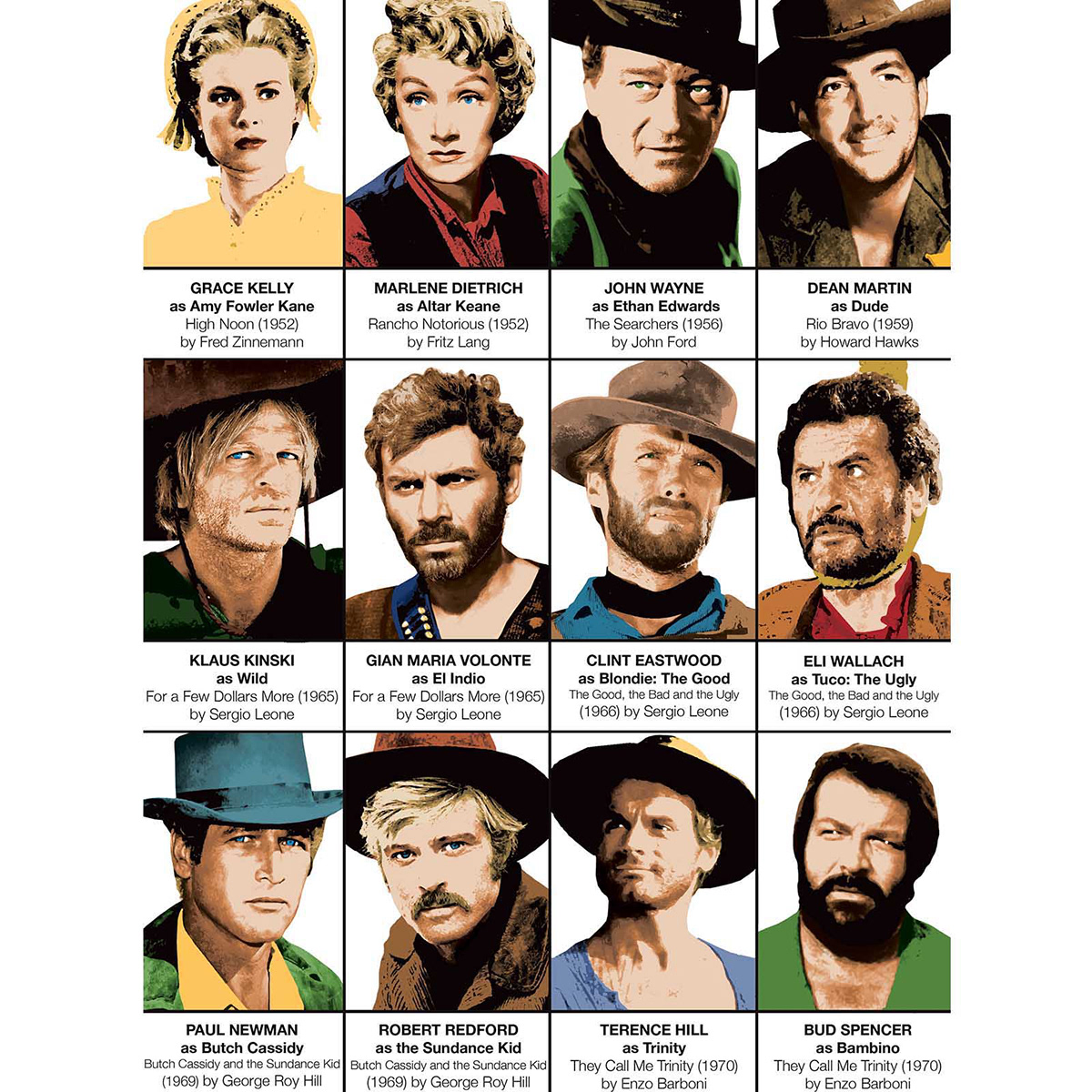
Categorized Playbook of Western Story Character Names (2026 Edition)
To jumpstart your creative process, we have compiled an extensive, curated directory of Western character names. These are categorized by character archetype, complete with nicknames and historical variations.
Rugged Outlaw and Desperado Names (Male)
These names evoke a sense of danger, rebellion, and lawlessness. They are perfect for bank robbers, highwaymen, and morally grey anti-heroes.
- Jesse "The Terror" James – A classic, high-impact name that commands fear.
- Billy "Quick Draw" Carson – Ideal for a young, reckless gunslinger.
- Butch "The Bandit" Cassidy – Classic, memorable, and charismatic.
- Clint "Gunslinger" Stone – Hard, sharp consonants that project an icy demeanor.
- Wade "Desperado" Lynch – Evokes the image of a man running from his past.
- Roscoe "Reckless" Dalton – A name that suggests unpredictable behavior.
- Silas "Shotgun" Brooks – Perfect for a heavy-hitting enforcer.
- Zeke "The Bandit King" Morgan – Suggests a leader of a dangerous gang.
- Levi "The Rustler" Wade – Ideal for a character who steals livestock under the cover of night.
- Eli "Fast Hand" Colt – A slick name for a professional card player and duelist.
Fearless Outlaw and Bandit Queen Names (Female)
The women of the Wild West were just as daring, dangerous, and independent as the men. These names project power, mystery, and resilience.
- Belle "The Bandit Queen" Starr – A legendary name that drips with authority.
- Calamity Jane Crawford – Perfect for a rugged, tough-as-nails survivalist.
- "Diamond" Lil Davenport – Ideal for a wealthy saloon owner or high-class thief.
- Pearl "The Pistol" Hart – A sharp, memorable name for a quick-witted outlaw.
- Cattle Kate Maxwell – Suggests a powerful woman running her own ranching empire.
- "Bloody" Mary Fields – A fierce name for a character who never backs down from a fight.
- Etta "The Wildcat" Place – Perfect for a fast-moving, agile fighter.
- Laura "The Fox" Bullion – Suggests a clever, calculating strategist.
- Eleanor "Shotgun Nell" Dumont – A great name for a notorious gambler or lawbreaker.
- Ruby "The Renegade" Storm – Romantic, fierce, and memorable.
Lawmen, Sheriffs, and Frontier Heroes
These names project justice, unwavering morality, and the heavy burden of keeping the peace on the edge of civilization.
- Wyatt "Iron Fist" Drake – A name that suggests unyielding authority.
- Virgil "Six-Shooter" Cross – Perfect for a veteran lawman who has seen it all.
- Will Kane – Simple, direct, and incredibly powerful (inspired by the classic protagonist of High Noon).
- Ethan Edwards – A rugged, traditional name that carries a sense of duty and obsession.
- Seth "The Scoundrel" Archer – Ideal for a reformed outlaw who took up the badge.
- Amos "The Gunman" Hart – Suggests a sheriff who isn't afraid to use lethal force.
- Gus "The Outcast" Tanner – Perfect for a cynical, retired Texas Ranger.
- Noah "The Rebel" Flint – A name for a deputy who plays by his own rules.
- Jeb "The Raider" Stewart – Suggests a cavalry officer or frontier scout.
- Frank "The Enforcer" Knight – A heavy, protective name for a town marshal.
Historically Authentic 19th-Century Names
If you want to bypass the cinematic nicknames and go for pure historical realism, these names are sourced directly from 1800s census records, military rosters, and historical archives.
| Cultural Origin | Male Name | Female Name | Historical Context |
|---|---|---|---|
| English / Biblical | Thaddeus Vance, Hezekiah Miller | Temperance Boyd, Keziah Finch | Heavily favored by early settlers and deeply religious families. |
| German Immigrant | Heiner Reinhardt, Fritz Koenig | Minna Faust, Greta Bauman | Common among Midwest homesteaders and Texas Hill Country settlers. |
| Mexican / Tejano | Mateo Alvidrez*, Joaquin Murrieta* | Valentina Ortiz*, Estela Garza* | Deeply rooted in the Southwest; reflects ranching and vaquero culture. |
| Chinese Pioneer | Ah Goon**, Wong Fook** | Mei-Ling Zhou**, Jin Li** | Sourced from California gold rush and transcontinental railroad records. |
| Native American | Chief Sitting Bull, Lone Wolf | Winona (Firstborn), Tallulah | Sourced from federal Indian census rolls of the late 1800s. |
*Indicates names of Mexican or Mexican-American origin.
**Indicates historical Chinese names as spelled in 19th-century western records (family name traditionally written first).
Analyzing the Greats: What We Can Learn from Iconic Western Characters
To truly master the art of naming, we must look at the most iconic characters in Western cinematic and literary history. These names have stood the test of time because they are deeply tied to the themes of their respective stories.
The Man with No Name (Clint Eastwood)
In Sergio Leone's legendary Dollars Trilogy, Clint Eastwood's character famously has no formal name. He is referred to by various monikers like "Joe," "Manco," or "Blondie."
- The Lesson: Anonymity is a powerful narrative tool. Sometimes, denying a character a traditional name enhances their mystique and makes them feel like an elemental force of nature rather than a mere mortal.
Doc Holliday (John Henry Holliday)
Historically, Doc Holliday was a dentist turned gambler and gunfighter. The juxtaposition of his professional title ("Doc") with his deadly lifestyle creates an instant, fascinating paradox.
- The Lesson: Use professional titles to create contrast. A character named "Preacher Pete" who carries a Bible in one hand and a Colt .45 in the other is instantly memorable because of the inherent irony.
William Munny (Unforgiven)
In Clint Eastwood's masterpiece Unforgiven, the protagonist is named William Munny. The name sounds remarkably ordinary, almost soft. It doesn't scream "deadly killer."
- The Lesson: Let the actions define the name, not vice versa. A terrifying killer with a completely mundane, gentle name can feel far more realistic and chilling than someone named "Spike Death."
Long-Term Prevention Strategies for Writers and Creators
To ensure you never run into a naming crisis again, implement these long-term creative habits in your writing routine.
1. Build a Customized Frontier Name Database
Whenever you read historical non-fiction, watch a documentary, or browse old genealogy websites, jot down interesting surnames and given names. Keep a running spreadsheet categorized by cultural origin, syllable count, and tone.
2. Map Out Your Cast's Phonetic Blueprint
Before finalizing your manuscript or game script, create a quick phonetic matrix of your main characters.
[Character A]: Silas Brooks  (S-sound, soft, 3 syllables)
[Character B]: Buck Harrison  (B-sound, hard, 3 syllables)
[Character C]: Joaquin Ortiz  (J-sound, vibrant, 4 syllables)
[Character D]: Minna Faust    (M-sound, sharp, 3 syllables)
By ensuring that no two major characters share the same starting letter or sound structure, you completely eliminate cognitive friction for your audience.
Frequently Asked Questions (FAQ)
What makes a Western character name sound authentic?
Authentic Western names are typically a blend of traditional 19th-century European names (often biblical or Germanic), Spanish names, and earned nicknames. To sound authentic, avoid modern spelling variations (such as "Jaxon" instead of "Jackson") and focus on names that were common in the 1800s census records.
How did outlaws get their nicknames in the Wild West?
Outlaw nicknames were rarely chosen by the outlaws themselves. They were given by the public, journalists, lawmen, or gang members. They were usually based on physical characteristics (e.g., "Calamity" Jane, "Scar" Johnson), geographical origins (e.g., the "Sundance" Kid), or their criminal specialties (e.g., "Shotgun" Nell).
Should I use real historical figures in my Western fiction?
Using real historical figures like Wyatt Earp, Doc Holliday, or Belle Starr can add immediate historical weight to your story. However, it also binds you to historical accuracy. If you want more creative freedom, it is often better to create original characters inspired by these historical figures, using similar naming conventions.
How do I avoid naming clichés in my Western novel?
Avoid overused, generic cowboy names like "Tex," "Slim," or "Lefty" unless you are intentionally writing a pastiche or comedy. Instead, look at actual historical registries to find unique, forgotten names of the era, such as "Thaddeus," "Hezekiah," "Temperance," or "Keziah."
Conclusion
Naming your characters is one of the most critical steps in world-building. A great Western name does more than just identify a character; it tells a story of survival, reinvention, and grit on the edge of the civilized world.
By avoiding lazy clichés, understanding the rich cultural demographics of the 19th-century frontier, and utilizing our step-by-step phonetic blueprint, you will craft characters that leap off the page and linger in the minds of your audience long after the dust has settled. Grab your pen, load your notebook, and start bringing your frontier legends to life in 2026!
References
- Collider — 10 Greatest Western Movie Characters of All Time, Ranked
- TV Tropes — Western Characters
- David Corner / Outlaw Names — 300 Legendary Outlaw Names to Define Your Western Persona, 2025
- Bryn Donovan — Authentic Names From the Wild West, 2025
- Ranker — The 25+ Best Cowboy Characters In Movies & TV, Ranked, 2025