
The wind howls through a deserted ghost town, kicking up dust storms that sting the eyes. A lone figure stands at the end of the dirt road, spurs clinking with every slow, deliberate step. In the world of Western fiction, tabletop RPGs, and cinematic screenplays, the hero is only as compelling as the shadow cast by their antagonist.
But as any writer, game master, or designer knows, creating a villain who commands respect, instills fear, and feels historically authentic is an uphill battle. If your antagonist's name lacks punch, your entire narrative loses its edge.
That is where a western villain name generator becomes your most valuable creative asset. In 2026, character generation technology has evolved far beyond simple randomizers. Today, we use advanced linguistic databases and historical archives to forge names that leap off the page.
This comprehensive guide will solve your character-naming struggles, explain the historical mechanics of Old West monikers, and show you how to craft a villain your audience will never forget.
The Writer's Dilemma: Why Creating Authentic Western Villains is Harder Than It Looks
Many creators face a common creative roadblock: name fatigue and cliché overload. When tasked with naming a ruthless outlaw, a corrupt cattle baron, or a cold-blooded assassin, our brains naturally default to overused tropes.
We have all seen variations of "Black Bart," "Dead-Eye Dan," or "Mad Dog Miller." While these names worked well in early 20th-century dime novels, modern audiences in 2026 demand depth, nuance, and realism.
[The Cliché Trap] ──> Cartoonish Names (e.g., "Bad-Eye Joe") ──> Lost Immersion
       │
       └──> [The Solution] ──> Historically Grounded Western Villain Name Generator
When you use uninspired names, you risk breaking your reader's or player’s immersion. A cartoonish name reduces a terrifying threat to a caricature. Conversely, choosing a name that is too modern or historically inaccurate destroys the carefully constructed atmosphere of your 19th-century setting.
The Root Cause: Why Do Our Old West Antagonist Names Fall Flat?
To solve this problem, we must first understand why brainstormed Western names often feel artificial. The root causes of weak character names generally boil down to three main factors:
1. Over-reliance on Modern Linguistic Patterns
We live in an era of crisp, clean, and highly structured names. In contrast, the American frontier was a melting pot of global dialects, slang, and rapid linguistic evolution. When we try to invent names off the top of our heads, we subconsciously apply 21st-century phonetics, which makes the characters sound out of place in a historical setting.
2. Neglecting Historical Naming Customs
In the Old West, people rarely went by their birth names alone. Outlaws, lawmen, and drifters earned their reputations—and their aliases—through physical traits, geographical origins, or notorious deeds. If your villain is named "William Vance" without a gritty nickname or a regional identifier, they will sound more like a Victorian butler than a ruthless frontier desperado.
3. Cognitive Friction and Phonetic Clashes
A common mistake in character design is choosing names that sound too similar to other characters in your story. If your hero is "John" and your villain is "James," your audience will experience cognitive friction.
According to linguistic research, names starting with the same letter or sharing identical vowel sounds confuse readers. A high-quality western villain name generator avoids this by analyzing phonetic structures to ensure your antagonist's name stands out clearly in dialogue and narration.
The Ultimate Solution: How to Use a Western Villain Name Generator to Craft Legendary Outlaws
To bypass these creative blocks, you need a structured, step-by-step approach to character naming. By combining the power of a modern western villain name generator with historical naming formulas, you can craft an unforgettable antagonist.
Step 1: Select Your Villain's Archetype
Before generating a name, define who your villain is. A railroad tycoon requires a completely different phonetic profile than a feral gang leader hiding out in the badlands.
- The Mastermind: Calculating, wealthy, and politically connected. Their names should sound prestigious yet cold (e.g., Thaddeus Vance, Silas Sterling).
- The Brute: Physically imposing, chaotic, and violent. Their names should feature harsh, guttural consonants (e.g., Garrick "The Ox" Stone, Buck Sledge).
- The Corrupted Lawman: A figure of authority twisted by greed. Their names should carry a false sense of trust and traditionalism (e.g., Marshal Gideon Cross, Sheriff Clay Palmer).
Step 2: Leverage Historical Nicknaming Formulas
Real historical figures of the American frontier carried names that told a story. To make your generated names feel authentic, incorporate one of these three classic formulas:
- The Physical Trait/Habit: Highlight a physical deformity, a preferred weapon, or a psychological quirk (e.g., Scraper, Calamity, Gravedigger).
- The Geographic Origin: Indicate where the villain fled from or where they committed their worst crimes (e.g., The El Paso Kid, Tennessee Vance).
- The Dark Metaphor: Use animals, weather patterns, or gothic elements to hint at their sinister nature (e.g., Coyote, Brimstone, Scorpion).
Step 3: Input Custom Prompts into the Generator
Modern AI-powered generators allow you to input specific parameters to tailor your results. When using a generator, input descriptive adjectives, animal comparisons, and national origins to get highly customized options.
For example, inputting "shrewd, vulture-like, Anglo-Irish" will yield far more sophisticated and terrifying names than a generic search.
Behind the Code: How Modern Western Name Generators Work in 2026
In 2026, name generators have transitioned from simple random-word pickers to highly sophisticated, culturally aware tools.
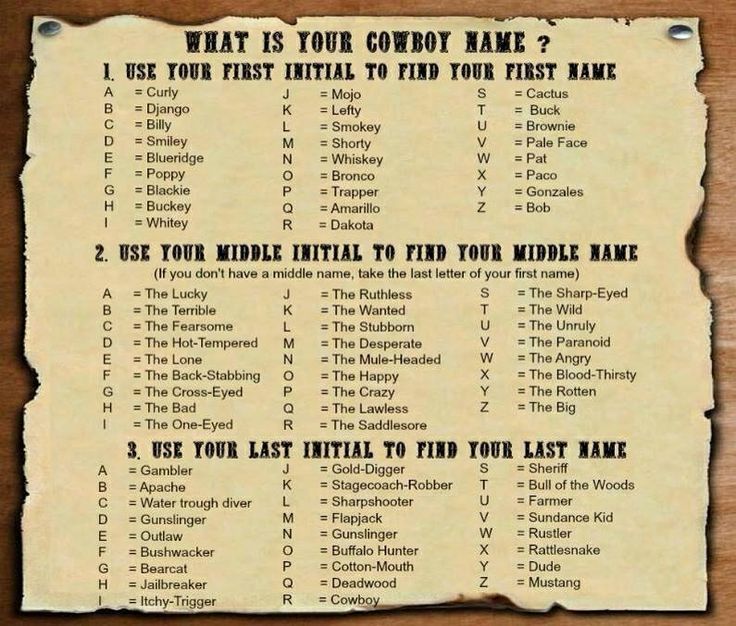
These advanced systems utilize phonetic DNA analysis to understand how different linguistic families sound. If you are writing a historical fiction novel set in the Southwest, the generator can seamlessly blend Spanish, Native American, and Anglo-Saxon naming conventions to match the exact geography of your story.
Furthermore, these tools are programmed to avoid common character naming mistakes, such as:
- Excessive consonant clusters that make names difficult to read or pronounce.
- Accidental trademark infringements or associations with easily recognizable public figures.
- Anachronistic spellings that did not exist in the 1800s.
Categorized Inspiration: Elite Western Villain Names to Steal Today
To kickstart your brainstorming process, we have used our advanced western villain name generator to compile a list of premium, highly evocative antagonist names categorized by their specific archetypes.
Cold-Blooded Outlaws and Gunslingers
These names are perfect for gang leaders, bounty hunters turned rogue, and quick-draw killers who terrorize frontier towns.
- Roscoe "Calico" Powers: A volatile gunman known for his patchwork duster coat and unpredictable temper.
- Clyde "Gravedigger" Burnett: A silent, methodical assassin who digs a grave for his targets before he even pulls the trigger.
- Ina "Calamity" Severil: A ruthless female gang leader who leaves a trail of disaster in every territory she crosses.
- Willie "Steel" Rivers: A cold-eyed highwayman with a prosthetic iron hand and a reputation for showing no mercy.
- Jesse "Coyote" Vance: A treacherous thief who specializes in night raids and desert ambushes.
Ruthless Railroad Barons and Corrupt Politicians
These names evoke wealth, power, and a complete lack of empathy. These villains do not use guns; they use contracts, bribes, and hired muscle to crush settlers.
- Thaddeus "The Vulture" Sterling: A skeletal tycoon who buys out drought-stricken ranches for pennies on the dollar.
- Bartholomew "Ironclad" Vance: A railroad magnate who uses private mercenaries to forcibly remove homesteaders from his path.
- Senator Gideon "The Viper" Cross: A silver-tongued politician who uses the law as a weapon to build his criminal empire.
- Pauline "Buckboard" Berton: A wealthy saloon owner and political kingmaker who controls the local sheriff with a tight grip.
- Augustus "Brimstone" Croft: A mining tycoon who forces laborers to work in deadly conditions while hoarding the profits.
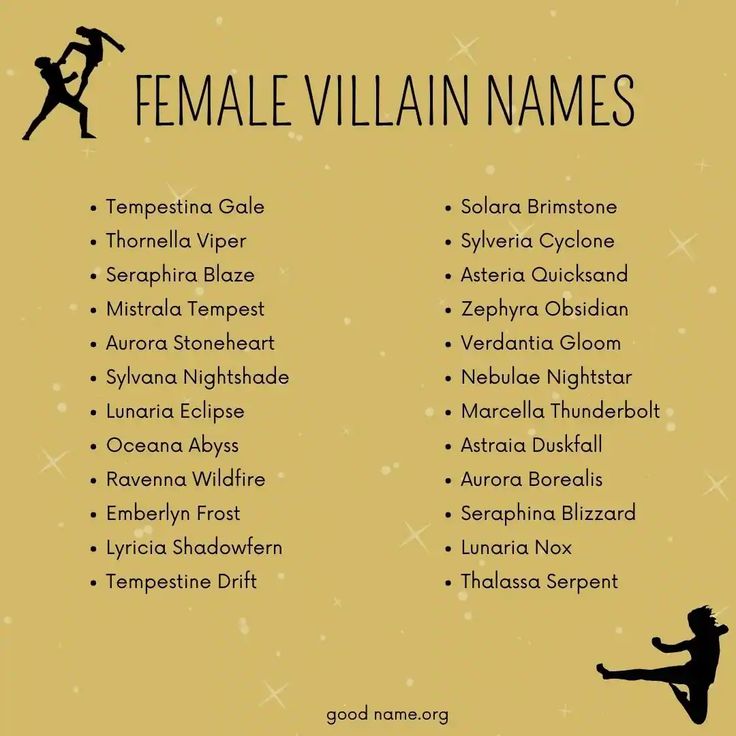
Sinister Cultists and Occult Weird-West Antagonists
If your story dips into the "Weird West" genre—blending traditional Western elements with horror, fantasy, or the supernatural—these names will strike a chilling chord.
- Silas "The Harbinger" Stone: A mad preacher who claims the desert itself demands blood sacrifices to bring rain.
- Ezekiel "Dust" Crowley: A rotting, undead gunslinger who cannot be killed by normal lead.
- Mother "Scorpion" Blackwood: A swamp-dwelling herbalist who uses rare desert poisons to paralyze her victims.
- Lucius "The Shadow" Thorne: A mysterious card player who wins souls instead of gold at the saloon poker tables.
- Abner "The Ox" Gallows: A massive, mute executioner who wears a burlap sack over his face and wields a rusted mining axe.
Avoiding the Traps: Common Mistakes When Naming Your Antagonist
Even with a high-quality generator, it is easy to fall into subtle traps that can weaken your villain's impact. Keep these expert rules in mind as you finalize your character's identity:
Phonetic Similarity and Confusing Your Audience
Never name your key characters with the same starting letter or similar-sounding syllables. If your protagonist is named Clint, do not name your villain Clay or Cliff. This creates cognitive friction, making it harder for readers to keep track of who is speaking or acting during fast-paced action scenes.
Forced Symbolism vs. Subtle Etymology
While it is tempting to name an evil character something obvious like "Malice" or "De'ath," this feels contrived and heavy-handed. Instead, opt for subtle etymological connections.
For instance, the name Gideon historically means "feller" or "hewer" (someone who cuts down), which is a beautifully subtle nod to a villain who tears down families or communities.
Anachronistic Slip-Ups
Always verify the historical timeline of your names. A name like "Jayden" or "Maverick" might sound cool, but they are modern inventions or modern popularizations that feel entirely out of place in an 1870s setting. Stick to classic biblical names, traditional European imports, or authentic frontier slang.
Long-Term Strategies for World-Building Consistency
A villain does not exist in a vacuum. To make your antagonist feel truly terrifying, their name must harmonize with the world around them.
Use these long-term strategies to build a cohesive narrative environment:
1. Match the Gang to the Leader
If your villain leads a band of outlaws, their gang's name should reflect their personal brand of terror.
- Gideon Cross leads The Iron Cross Syndicate.
- Roscoe "Calico" Powers rides with The Patchwork Devils.
- Ina "Calamity" Severil commands The Red Dust Raiders.
2. Design the Wanted Posters
In the Old West, public perception was everything. Use your generated name to create in-world artifacts like wanted posters. A poster reading: "Wanted Dead or Alive: Clyde 'Gravedigger' Burnett — $5,000 Bounty" immediately establishes the character's danger level before they even appear on screen.
3. Establish Regional Dialects
If your villain is a Southern transplant who fled to the Arizona Territory after the Civil War, their name and vocabulary should reflect their roots. A name like Beau "Dixie" Montgomery carries immediate historical and cultural baggage that enhances your world-building.
Frequently Asked Questions (FAQ)
What makes a Western villain name sound "authentic"?
Authentic Western names usually combine a traditional, often biblical first name (like Ezekiel, Thaddeus, or Silas) with a rugged, occupation-based, or trait-based nickname (like Gravedigger, Calico, or Ironclad). This mirrors how people were actually identified on the frontier, where legal documentation was scarce and reputations were everything.
Can I use these generated names for commercial projects?
Yes! Most online Western name generators generate names using open-source historical databases and randomized linguistic algorithms. However, it is always a good practice to run a quick search to ensure your chosen name is not already trademarked by a major franchise (such as Red Dead Redemption or a classic John Wayne film).
How do I choose between a realistic name and a "Weird West" name?
It depends entirely on your genre. If you are writing a gritty, realistic historical novel, stick to names derived from 19th-century census data. If you are writing a "Weird West" story with fantasy or sci-fi elements, you can blend traditional Western names with gothic, celestial, or industrial terms (e.g., Silas "The Alchemist" Stone).
Why do so many Western outlaws have nicknames?
In the 1800s, many people fled to the western frontier to escape their pasts, start over, or evade the law. Adopting an alias or being given a nickname by townspeople was a practical way to hide one's true identity, build a fearsome reputation, or simply distinguish oneself in a town full of men named "John" or "William."
Conclusion
A great Western story lives and dies by its antagonist. By utilizing an advanced western villain name generator and applying the historical naming conventions of the American frontier, you can move past tired clichés and forge a villain who will haunt your audience long after the final showdown.
Whether you are designing a corrupt railroad baron who steals land with a pen, or a cold-blooded gunslinger who rules the desert with a Colt .45, the perfect name is the first step in bringing your frontier nightmare to life. Step up to the generator, input your parameters, and let the dust settle on a legendary new character.
References
- NamingQuest — Western Villain Character Name Generator: Design and Etymology Analysis, 2026
- OldWest — Cowboy and Outlaw Nicknaming Conventions of the American Frontier
- Scabard — Villain Name Generation and Tabletop RPG Character Design Guidelines
- Fantasy Name Generators — Linguistic Databases for Cowboy and Cowgirl Nomenclature
- NameGenHub — AI-Powered Antagonist and Outlaw Moniker Synthesizer