
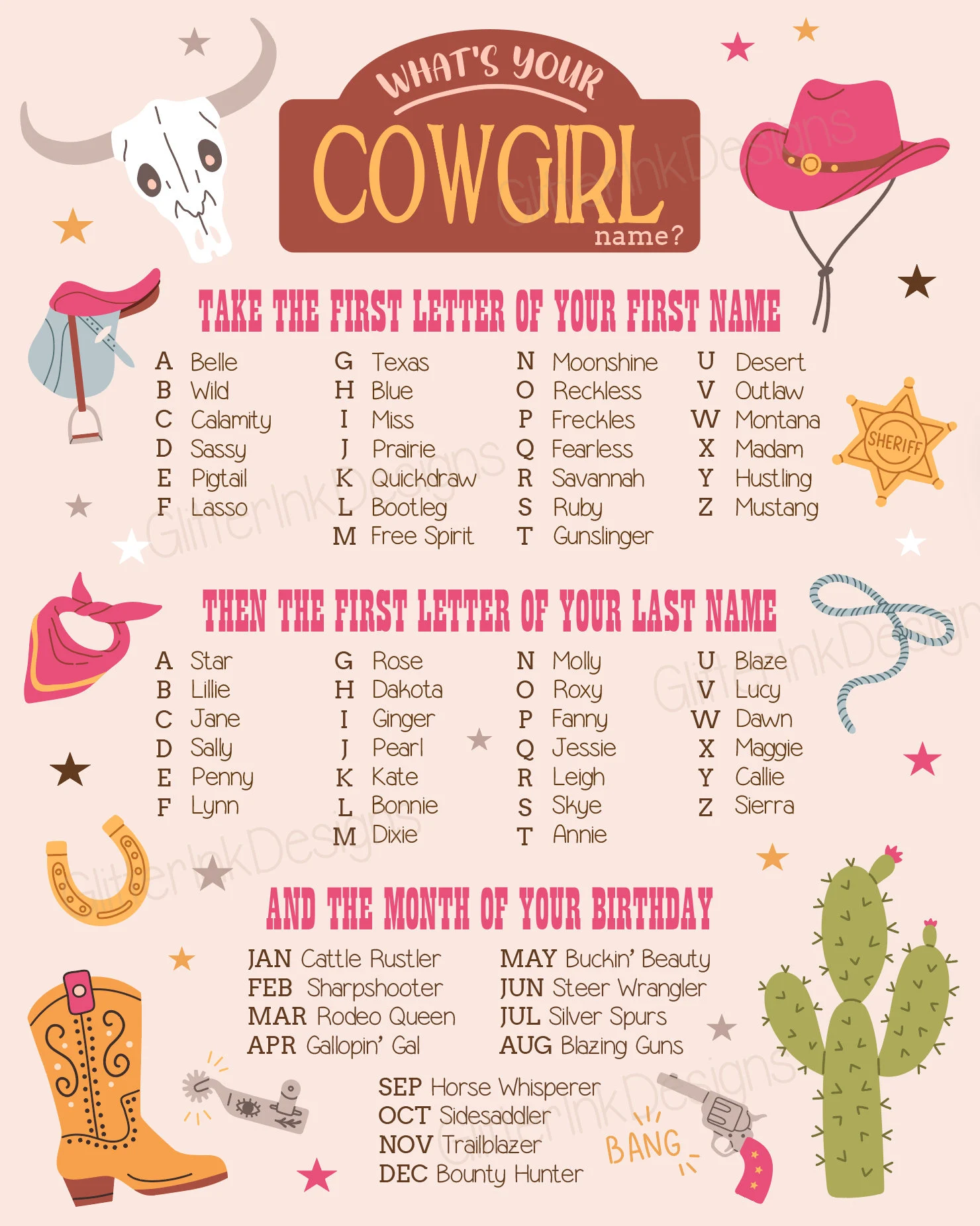
The Timeless Allure of Frontier-Inspired Names
Choosing a name that captures the grit, independence, and beauty of the American West is a tradition that spans generations. Whether you are naming a horse, a character in a novel, or looking for a distinct moniker for a new arrival, the Wild West offers a rich tapestry of history. These names go beyond the typical floral or modern trends, rooting themselves in the dusty trails, gold-rush towns, and expansive landscapes of the 19th century.
The appeal of these names lies in their ability to evoke a sense of freedom and resilience. A cowgirl name should sound as sturdy as a pair of leather boots yet carry the elegance of a prairie sunset. By looking at historical records, period literature, and the geography of the frontier, you can find a name that feels both authentic and refreshingly unique.
Selecting Names Based on Personality Traits
When selecting a name, it is helpful to consider the personality or image you want to project. Some names sound soft and musical, while others possess a sharp, commanding edge that demands respect. Matching the phonetic quality of the name to the intended "vibe" is the first step in finding the perfect fit.
- Spirited Names: These choices are ideal for someone with an adventurous, high-energy personality who isn't afraid to take risks.
- Gentle Names: These options reflect the quiet grace of a pioneer woman tending to the home and hearth.
- Tough Names: These monikers communicate strength, independence, and the ability to handle the harsh realities of frontier life.
- Nature-Inspired Names: Drawing from the flora and fauna of the West, these names feel organic and deeply connected to the landscape.
- Vintage Revival Names: These are classic names that were popular in the 1800s but have fallen out of common usage, making them feel fresh today.
The Legacy of Gold Rush and Boomtown Monikers
The Gold Rush era brought people from all over the world to the American West, resulting in a fascinating collision of cultures and naming conventions. Many women in these boomtowns carried names that reflected their heritage while adopting the rugged spirit of their new environment. These names often have a rhythmic, multi-syllabic quality that sounds sophisticated yet grounded.
- Clementine: A classic choice that remains synonymous with the folk music and spirit of the era.
- Adelaide: Often found in historical records, this name carries a sense of Victorian refinement adapted for the frontier.
- Josephine: A strong, versatile name that was incredibly common in mining camps and growing settlements.
- Matilda: Known for its history in folk songs, this name implies a hardworking and capable nature.
- Florence: A nod to the blooming wildflowers that carpeted the plains during the spring season.
Comparing Naming Styles: Traditional vs. Modern Western
It is important to understand the nuance between a strictly historical name and one that feels "Western" but is more contemporary. The following table breaks down the differences in style and usage for those searching for the perfect name.
| Style | Typical Sound | Historical Context | Modern Usage |
|---|---|---|---|
| Traditional | Victorian/Sturdy | Common in 1880s census | Very rare, vintage |
| Nature-Based | Earthy/Organic | Inspired by landscape | Popular for ranch life |
| Short/Punchy | Single syllable | Common for trail names | Strong, minimalist |
| Bohemian | Flowery/Artistic | Frontier theater/performers | Unique, artsy |
Nature and Landscape-Inspired Cowgirl Names
The vast, untamed beauty of the American West provided endless inspiration for names. From the jagged peaks of the Rockies to the sweeping vistas of the Great Plains, the environment shaped the culture of the people living there. Choosing a name rooted in nature is a beautiful way to pay homage to the rugged geography that defined the frontier experience.
- Sierra: A direct reference to the mountain ranges that served as both a barrier and a destination for travelers.
- Willow: A name that suggests flexibility and grace in the face of harsh environmental conditions.
- Prairie: Directly referencing the vast grasslands that settlers crossed on their long journeys westward.
- Sage: A hardy, aromatic plant that is iconic to the desert landscapes of the Southwest.
- Autumn: Capturing the transition of the seasons, which was a critical time for harvest and preparation in the West.
- Brook: A simple, flowing name that evokes the vital water sources essential for survival on the trail.
How to Research Authentic Frontier Names
If you are looking for absolute authenticity, you must dive into primary sources rather than modern baby name books. History is the best teacher when it comes to understanding what people were actually called during the expansion era. By following these steps, you can uncover hidden gems that have been largely forgotten by modern society.
- Visit local historical society archives or digital databases that house old census records from the 1870s and 1880s.
- Read first-hand accounts, diaries, and letters written by women who traveled the Oregon Trail or settled in mining towns.
- Examine old town registers and newspaper archives from the late 19th century to see which names appeared most frequently in advertisements and social columns.
- Look at the names of women who owned businesses, ran ranches, or held positions of authority in frontier communities.
- Cross-reference your favorite names with historical maps to see if they were linked to specific regions or pioneer families.
The Influence of Western Folklore and Literature
Much of what we associate with the Wild West today comes from the stories and songs that were popularized during the late 19th and early 20th centuries. These cultural artifacts created archetypes of the "Cowgirl" that continue to influence how we name characters and people today. These names often feel larger than life and carry a sense of narrative weight.
The true spirit of the frontier is not found in a single map, but in the names of the people who dared to build a life where there was nothing but horizon. Each name tells a story of survival, hope, and the relentless pursuit of a new beginning.
By drawing from these tales, you can select a name that feels like it belongs in a classic ballad or a legendary campfire story. These names often have a lyrical quality that sets them apart from more mundane options found in today's naming conventions.
Short and Punchy Monikers for the Modern Cowgirl
Sometimes, the most powerful names are the shortest ones. In the fast-paced life of a ranch or a trail ride, a single-syllable name is practical and memorable. These names cut through the noise and leave a lasting impression, much like the legendary figures of the West whose reputations preceded them.
- Belle: A timeless classic that represents both beauty and the quintessential Southern/Western charm.
- Dot: Often a nickname for Dorothy, this sounds spunky and energetic, perfect for someone always on the move.
- Mae: A soft, sweet name that has a long history in country music and rural American culture.
- June: Simple and bright, this name evokes the warmth of early summer on the open range.
- Kit: A nod to the legendary Kit Carson, this name feels adventurous and gender-neutral in its appeal.
- Nell: A vintage name that feels both familiar and distinct in a modern context.
Considering Gender Neutrality in Western Names
The frontier was a place where traditional gender roles were often tested by necessity. Many women took on roles that were previously reserved for men, such as ranch management, marksmanship, and long-distance travel. Consequently, many names from this era have a strong, gender-neutral appeal that works perfectly for a modern cowgirl who values independence.
- Charlie: A classic choice that has become increasingly popular for girls, embodying a sense of playfulness and grit.
- Frankie: A spunky, retro-inspired name that suggests a person who is comfortable in any situation.
- Sawyer: Evoking the image of a worker, this name has a professional and capable undertone.
- Jesse: A historical nod to the outlaws and lawmen of the era, carrying a sense of mystery and daring.
- Dakota: A name that honors the geography and the indigenous heritage of the region, perfect for a nature lover.
Common Mistakes When Choosing a Western Name
It is easy to fall into the trap of picking a name that sounds "too Hollywood" rather than authentic to the period. To keep your choice grounded, avoid names that feel overly modern or that were invented for 20th-century movies. Here is a checklist of things to watch out for during your search.
- Avoid names that are clearly derived from modern pop culture or technology, as these will clash with the rustic aesthetic.
- Do not confuse "Western" with "Southern Belle" stereotypes; while there is overlap, the Western experience was defined by hardship and labor.
- Be cautious of names that are too long or complex, as they lack the utilitarian feel that defined frontier naming.
- Check the etymology of the name to ensure it doesn't have a meaning that contradicts the values of strength or nature you are aiming for.
- Ask for feedback from others to ensure the name doesn't sound like a caricature or a cartoon character.
The Significance of Surnames as Given Names
In the Old West, it was not uncommon for family surnames to be used as given names. This practice often honored lineage or highlighted a family's status in a community. Today, this trend is making a comeback, offering a sophisticated and unique alternative to traditional first names. It adds a layer of history and gravity to the name.
Using a surname as a first name provides an instant sense of heritage and established roots. It sounds professional yet rugged, perfect for a cowgirl who wants to stand out from the crowd. Consider names like Harper, Sutton, or Clayton for a touch of class that feels right at home on the range.
Naming Your Horse: A Special Category
While we often think of names for people, the Wild West was defined by the bond between a rider and their horse. If you are looking for a name for a horse, the rules are slightly different. You can lean into names that describe the animal’s coat, speed, or specific personality traits, often with a bit more flair and whimsy than you would use for a person.
Criteria for Choosing a Horse Name
- Coloration: Use names like
Rusty,Blaze, orMidnightto reflect the coat color. - Speed: Choose names like
Bolt,Flash, orWindyfor a particularly athletic animal. - Temperament: Names like
SpitfireorGentledescribe how the horse interacts with the rider. - History: Use names from famous historical horses or legendary trail partners to add a layer of prestige.
Blending Traditional and Modern for a Unique Twist
You don't have to stick strictly to the 1800s to find a great name. Many people enjoy blending a classic, vintage-sounding first name with a more modern or unexpected middle name. This combination creates a unique identity that bridges the gap between the past and the present.
For example, pairing a name like Clara with a more modern middle name creates a balance that feels fresh. It shows that you value the history of the West but aren't afraid to innovate. This approach allows you to express your own personality while maintaining the structural beauty of a traditional Western moniker.
Final Tips for Making the Right Choice
Choosing the right name is a personal journey that should reflect what you love about the Wild West. Whether you are inspired by the strength of the pioneers, the beauty of the landscape, or the stories of the outlaws, your choice should feel authentic to you. Take your time, research the history, and don't be afraid to try out a few options before settling on the one that feels just right.
- Say the name out loud to hear how it sounds in different contexts, such as calling it out on a ranch or introducing yourself in a professional setting.
- Consider the nickname potential, as many great Western names have shorter, punchier versions that are perfect for daily use.
- Check the initials to ensure they don't spell anything unintended or awkward.
- Imagine the name on a sign or a piece of gear to see if it fits the visual aesthetic you are aiming for.
- Trust your gut; if a name feels like it belongs to your story, it is the right one.