
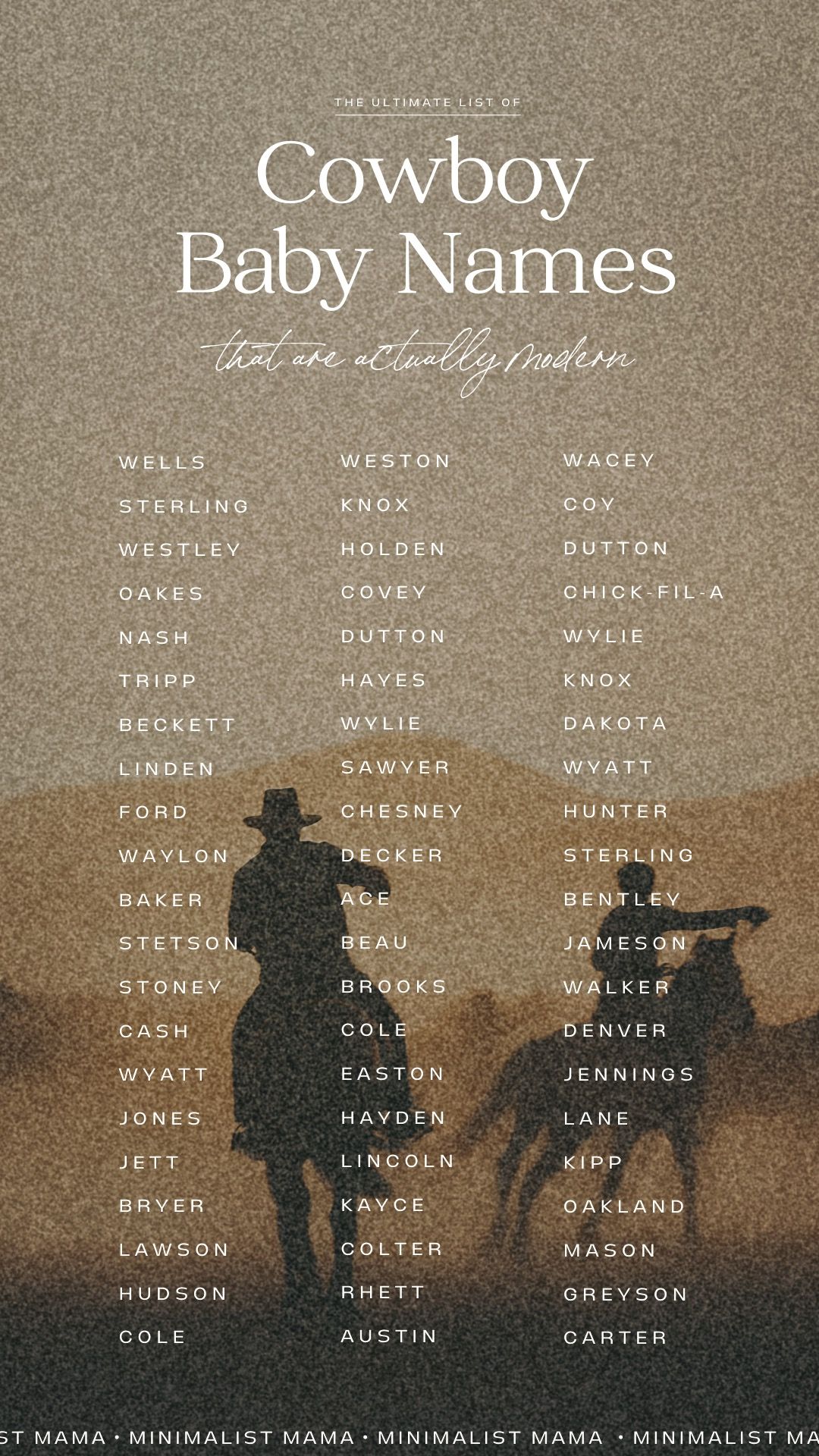
Understanding the Appeal of Rugged Western Monikers
Choosing a classic cowboy name requires looking deeply into the folklore, landscape, and historical grit of the American frontier. When writers, pet owners, or creators search for 75 cowboy names with strong Western meanings, they are usually hunting for an identity that carries instant grit, history, and unmistakable character. The American West was shaped by cattle drives, gold rushes, wide-open plains, and lawless boomtowns, leaving behind a rich legacy of naming traditions.
Whether you are naming a new pet, developing a fictional character for a Western novel, or simply fascinated by frontier history, understanding the background of these names elevates them from mere words to legendary titles. Every moniker tells a story of survival, independence, and the untamed wilderness that defined a legendary era in history. This comprehensive guide breaks down naming frameworks, historical inspirations, and categorical approaches to help you select the ultimate moniker.
The Historical Framework of Frontier Naming Traditions
Frontier naming traditions relied heavily on direct observations of nature, occupational descriptors, and family heritage. Pioneers and cowboys rarely chose delicate or overly complex names; instead, they favored short, punchy, and memorable designations that could easily be shouted across a windy canyon or recognized in a crowded saloon.
- Pioneers frequently adopted geographical monikers derived from rivers, mountains, and trees they encountered on the trail.
- Occupational titles such as Cooper, Mason, and Fletcher doubled as respected first or last names in early settlement towns.
- Short, one-syllable names like Jed or Colt were preferred for their efficiency and authoritative sound.
- Spanish and Native American influences blended with Anglo-European traditions to create a uniquely diverse Western lexicon.
- Nicknames based on physical traits, riding styles, or temperament often permanently replaced given names on the open range.
- Outlaws and sheriffs alike understood that a strong name commanded immediate respect before a word was even spoken.
Nature-Inspired Western Names for the Open Range
The vast landscapes of the American West provided endless inspiration for those living under the endless sky. Nature-inspired names connect the bearer directly to the elements, from towering pine forests to raging rivers and sun-baked deserts.
- Ridge: Signifies someone strong and unyielding, like a mountain spine cutting across the horizon.
- Clay: Represents the earthy, grounded foundation of the Western soil and adobe structures.
- Flint: Evokes a sharp, enduring spirit capable of striking fire under the harshest conditions.
- Sterling: Implies high quality, resilience, and the gleaming silver mined during Western booms.
- Briar: Suggests a tough, resilient nature that thrives even in prickly, difficult circumstances.
- Canyon: Captures the deep, carved majesty of monumental landscapes found in Arizona and Utah.
- Dakota: An honored Native American name meaning friendly ally, tied to the northern plains.
Outlaw-Inspired Monikers from the Lawless Era
Outlaws captured the imagination of the public through daring train robberies and legendary escapes. Adopting an outlaw-inspired name brings a touch of rebellious mystery and daring independence.
Legendary Renegade Archetypes
Notorious Frontier Figures
- Desperado-themed titles that evoke midnight rides and dusty hideouts in remote canyons.
- Names associated with famous frontier antiheroes who lived strictly by their own personal code.
- Monikers carrying a reputation for quick reflexes, nerves of steel, and uncompromising loyalty to partners.
- Subtle nods to historical figures who roamed the rugged territories of New Mexico and Texas.
A true Western name does not merely sound tough; it carries the narrative weight of dust storms, campfire smoke, and solitary moonlit trails.
Choosing an outlaw moniker requires balancing a sense of danger with undeniable charisma, ensuring the name feels legendary rather than reckless.
Comparing Western Naming Categories by Vibe and Origin
To help you evaluate different styles, the following comparison table contrasts various Western naming categories by their primary origin, typical vibe, and ideal use case.
| Category | Primary Origin | Typical Vibe | Ideal Use Case |
|---|---|---|---|
| Outlaw Monikers | |||
| Historical Folklore | Rebellious, Daring | Fictional gunslingers or energetic pets | |
| Nature & Landscape | Frontier Geography | Rugged, Grounded | Outdoor gear brands, horses, or rustic characters |
| Lawman Titles | Frontier Justice | Authoritative, Loyal | Guard dogs, disciplined characters |
| Spanish Colonial | Vaquito & Rancho Heritage | Melodic, Historic | Ranches, horses, elegant Western fiction |
Lawman and Sheriff Titles for Authority and Honor
For every outlaw on the frontier, there was a steadfast lawman maintaining order in volatile boomtowns. These names project reliability, courage, and a strict adherence to justice.
Lawmen like Wyatt Earp and Bat Masterson cemented names associated with courage under fire. When selecting a lawman-inspired title, you are emphasizing protection, leadership, and moral fortitude. These monikers work exceptionally well for working dogs, loyal companions, or characters who stand up for what is right when times get tough.
Spanish Colonial and Vaquero Influences
Long before American cowboys rode the plains, Spanish vaqueros established the foundational skills of cattle ranching, roping, and horse training. Their linguistic footprint remains deeply embedded in Western culture.
- Mateo: A classic Spanish title carrying historical weight and refined melodic charm on the ranch.
- Chico: A friendly, enduring nickname originating from early Mexican ranch hands and vaqueros.
- Rico: Implies wealth of spirit, resilience, and strength within the challenging ranching lifestyle.
- Sierra: Refers to jagged mountain ranges, perfect for a powerful animal or bold character.
- Oro: Directly translates to gold, honoring the great rushes that built frontier settlements.
- Cruz: Symbolizes a crossroads or faith, deeply embedded in Southwestern architecture and lore.
- Navarro: A distinguished surname-turned-first-name rooted in northern Spanish heritage.
Rugged Occupational Names of the Old West
Every frontier town relied on skilled tradespeople to survive and grow. Occupational names offer a direct link to the industrious builders of the American West.
Blacksmiths forged horseshoes and wagon parts; miners dug for precious metals; drovers guided thousands of cattle across hazardous rivers. Names like Smith, Tanner, and Wheeler emerged directly from these vital daily labors, providing a grounded, industrious feel that resonates strongly in modern storytelling and pet naming alike.
Classic Frontier First Names That Never Go Out of Style
Some names have graced campfire circles for generations without losing their timeless charm. These traditional choices evoke images of cattle drives, leather saddles, and porch swings at dusk.
- Wyatt remains a perennial favorite for its strong historical ties to Tombstone law enforcement.
- Boone honors legendary trailblazers who carved paths through dense wilderness.
- Hank delivers an approachable, down-to-earth friendliness reminiscent of classic country troubadours.
- Caleb offers a biblical robustness favored by early homesteaders and pioneer families.
- Luke projects calm confidence, steady marksmanship, and quiet reliability under pressure.
- Colt connects modern bearers directly to the iconic firearm that shaped the frontier.
Unusual and Rare Western Gems for Standout Characters
If common cowboy names feel too familiar, exploring rare frontier archives reveals hidden gems that immediately catch the attention of readers or listeners.
- Zebedee: A vintage biblical name shortened to Zeb, offering immediate authentic charm.
- Bartholomew: Often shortened to Bart, presenting a rugged yet dignified frontier persona.
- Gideon: A powerful prophetic name found frequently in pioneer journals and diaries.
- Jebediah: Captures the quintessential 19th-century homesteader aesthetic in full detail.
- Thaddeus: Sounds distinguished and formidable when spoken against the backdrop of a saloon.
- Amos: Short, punchy, and thoroughly grounded in hardworking agricultural history.
Workflow for Choosing Your Ultimate Cowboy Name
Selecting the right name from a list of dozens requires a structured evaluation process to ensure it fits your specific context, whether for a pet, a story, or a brand.
- Review your list of favorite names and eliminate any that are difficult to pronounce quickly.
- Test how the chosen name sounds when shouted across a wide open space or spoken in dialogue.
- Verify the historical or geographical meaning to ensure it aligns with the desired vibe.
- Check for unintended pop culture associations that might overshadow your original intent.
- Pair the first name with a strong Western surname or descriptor to test overall rhythm.
- Commit to the selection and let the chosen moniker build its own legendary reputation over time.
Common Mistakes to Avoid When Selecting Western Monikers
Even experienced writers and enthusiasts can stumble when picking frontier names if they rely too heavily on clichés or overused tropes.
- Avoid choosing overly cartoonish names that make characters or pets sound like a parody rather than a genuine Western figure.
- Do not ignore pronunciation ease; overly complex Spanish or Native terms can lose their impact if constantly mispronounced.
- Refrain from picking names that clash wildly with the historical era or setting of your project.
- Never rush the decision without testing the full name combination for natural rhythm and flow.
- Avoid copying famous cinematic outlaws word-for-word unless you are intentionally writing a direct tribute as explored in our guide to unique Western names.
- Do not overlook the subtle connotations of occupational or landscape titles in different regional contexts.
Translating Frontier Heritage Into Modern Contexts
Bringing a piece of the Old West into modern life goes beyond simply picking a cool-sounding word. It requires appreciating the resilience, self-reliance, and adventurous spirit embodied by early pioneers, historical cattle drivers, and frontier settlers.
By connecting with these deep historical roots, whether you choose a nature-inspired designation like Ridge or a time-tested classic like Wyatt, you honor a legendary era of American history. Let these 75 cowboy names inspire your next creative project, pet adoption, or personal rebranding effort with authentic frontier strength.