
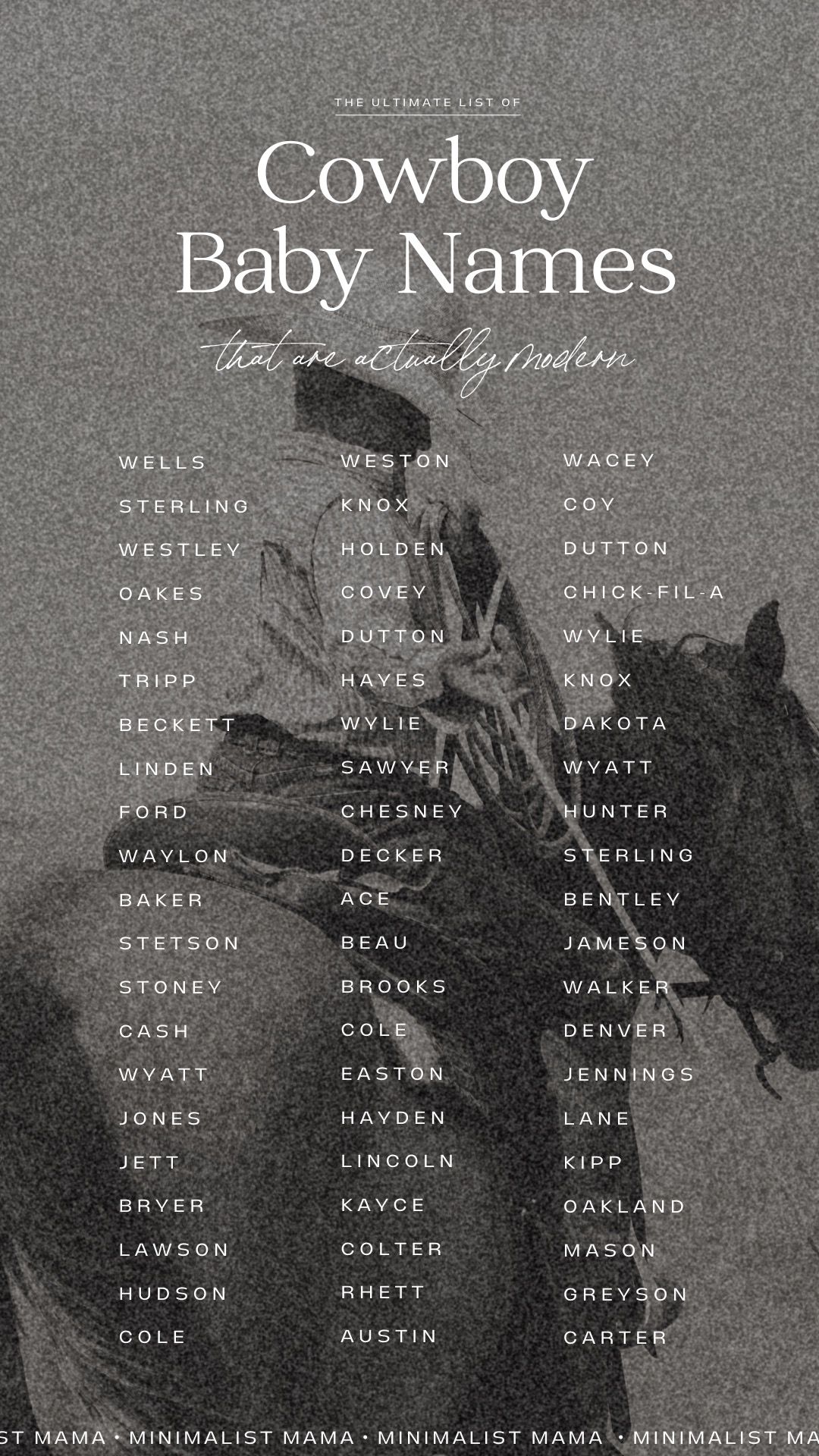
The Timeless Appeal of Old West Naming Conventions
Choosing a name with a rugged, frontier feel is more than just a stylistic choice; it is an exercise in history and atmosphere. Whether you are writing a period novel, naming a new pet, or searching for a unique persona for a roleplaying game, Western names carry a weight of grit, independence, and the vast, untamed landscape of the 19th-century American frontier. These names often evoke images of dusty trails, gold mining camps, and the legendary lawmen and outlaws who defined the era.
The Old West was a melting pot of cultures, resulting in a fascinating blend of sturdy Anglo-Saxon roots, biblical influences, and adventurous, slightly eccentric monikers. To find the right fit, you must consider the tone you wish to convey: are you looking for the stoic strength of a sheriff, the sharp wit of a gambler, or the earthy resilience of a rancher? This guide provides a curated collection of names that capture the essence of the 1800s.
Categorizing the Frontier Spirit: A Comparison Matrix
When selecting a name, it helps to categorize them based on the "vibe" they project. Some names sound inherently authoritative, while others feel more like the product of a life lived on the edge of civilization. The following matrix compares different archetypal naming styles found in the American West to help you narrow down your search.
| Naming Style | Core Vibe | Best For | Example |
|---|---|---|---|
| Rugged & Earthy | Resilient, practical | Ranchers, miners | Silas, Hattie |
| Authoritative & Stoic | Strong, formal | Lawmen, bankers | Thaddeus, Clara |
| Gambler & Dashing | Sophisticated, bold | Outlaws, adventurers | Beau, Clementine |
| Biblical & Traditional | Classic, grounded | Settlers, pioneers | Ezekiel, Martha |
| Nature-Inspired | Wild, untamed | Scouts, drifters | River, Juniper |
Top 25 Rugged Masculine Names for the Frontier
These names are heavy on consonants and carry a sense of history. They were often passed down through generations of families moving westward in covered wagons. Using these names can instantly ground a character in the mid-1800s setting.
- Silas: A classic name that feels both scholarly and hardened by the trail.
- Jedidiah: A long, formal name often shortened to Jed, perfect for a patriarch.
- Caleb: Simple, strong, and deeply rooted in the traditions of the era.
- Gideon: Sounds like a man who has survived a dozen storms and three wars.
- Thaddeus: A sophisticated choice for a town doctor or a wealthy land baron.
- Boone: Inspired by the great frontiersmen; it implies a life spent in the wilderness.
- Abner: A slightly older, more rustic name that feels authentic to a small mining town.
- Tobias: A name that balances gentleness with the harsh realities of frontier life.
- Hiram: Often associated with tradesmen or small-town merchants in the 1870s.
- Levi: A quintessential Western name, synonymous with durability and denim.
Top 25 Elegant Feminine Names of the Old West
While the frontier was harsh, the names of the women who settled it often carried a surprising amount of grace and beauty. These names reflect the social expectations of the era while maintaining a sense of frontier toughness.
- Clementine: A sweet, melodic name that became iconic through folk music and history.
- Adelaide: A formal name that suggests a woman of high standing or refinement.
- Matilda: Strong and capable, this name fits a woman who runs a homestead.
- Josephine: Versatile and classic, often nicknamed Jo or Josie for a bit of spunk.
- Tabitha: A sharp, interesting name that stands out in a crowded saloon.
- Florence: Elegant and timeless, suitable for a schoolteacher or a town matriarch.
- Cordelia: A name that feels slightly poetic and romantic for the rugged plains.
- Prudence: Often given to reflect the virtues expected of women during the pioneer age.
- Winifred: A sturdy name that suggests resilience and a firm hand in business.
- Beulah: A distinctly vintage name that feels perfectly at home in a dusty prairie town.
The Art of Pairing: First and Last Names
The secret to a truly authentic Western name often lies in the pairing. A first name might feel generic on its own, but when combined with a rugged surname, it gains immediate historical context. Consider the rhythm of the syllables and the historical origin of the surnames as well.
- Alliteration: Names like "Silas Stone" or "Clementine Clark" are memorable and sound like characters from a classic novel.
- Geographic Surnames: Using names like "Miller," "Rivers," or "Woods" connects the character to the landscape.
- Professional Surnames: Incorporating titles like "Smith," "Wright," or "Cooper" adds a layer of realism to the character's background.
- Old World Roots: Mixing a biblical first name with a surname of Irish or Scottish origin, such as "Gideon O'Malley," reflects the immigrant experience of the time.
- Descriptive Surnames: Surnames that describe a physical trait, like "Long," "Short," or "Brown," were very common in census records of the era.
Pros and Cons of Using Traditional Western Names
Pros
- They provide immediate historical immersion for the reader or listener.
- These names are timeless and rarely feel "trendy" or dated in a negative way.
- They carry a sense of gravitas and strength that modern names often lack.
Cons
- Some names may feel too cliché if they are overused in popular media.
- They can sometimes sound too formal or stiff for modern, casual contexts.
- There is a risk of choosing a name that feels more "theatrical" than "authentic."
How to Select the Perfect Western Name
- Determine the character's occupation, as this will influence the formality of the name.
- Consider the region of the West, as a name in a Texas cattle town might differ from one in a California gold field.
- Say the name out loud to test its rhythm and how it feels when spoken in a sentence.
- Research historical census data from the 1880s to see if the pairing was actually common.
- Check the meaning of the name to ensure it aligns with the personality you want to project.
Common Mistakes When Naming Western Characters
Many writers fall into the trap of using names that are too modern or sound like they belong in a different century entirely. Avoid using names that became popular in the mid-20th century, such as "Kevin" or "Brenda," as these will shatter the immersion immediately. Additionally, avoid overly descriptive "cowboy" names like "Tex" or "Slim" as a primary name; these are better suited as nicknames for a character who has a more formal given name.
The name of a person is a window into their world. In the Old West, a name wasn't just a label; it was a testament to the family's history, their faith, and the harsh, beautiful land they were trying to tame. Choose a name that carries the weight of the frontier.
Gender-Neutral Names from the Frontier Era
Not every name in the 1800s was strictly gender-coded. Many names were shared or leaned toward a more unisex appeal, especially in the rugged, practical environment of the frontier where utility often trumped social norms.
- Kit: Famously associated with Kit Carson, but also used for women of the era.
- Sage: A nature-inspired name that fits anyone living in the high desert.
- Ellis: A soft but strong name that works well for both men and women.
- Jesse: A classic Western name that has been popular for both genders for centuries.
- Rowan: Evocative of the wilderness and common in families of Irish descent.
Names Inspired by Western Landscapes
The land itself was the most significant character in the Old West. Many pioneers named their children after the rivers, mountains, and plants they encountered on their journey westward.
- Canyon: A bold, adventurous choice that reflects the geography of the American West.
- Prairie: A gentle, expansive name that speaks to the vastness of the plains.
- Willow: A classic, soft name that evokes the water sources found along the trails.
- Cliff: A strong, singular name that suggests the rugged terrain of the mountain west.
- Sierra: A beautiful, mountainous name that pays homage to the great ranges of the West.
The Significance of Nicknames
In the Old West, a person’s formal name was often reserved for official documents, while their daily life was defined by a nickname. These nicknames were usually based on a physical trait, a specific skill, or a notable event in the person's life.
- Shorty: A common, playful nickname for a man of smaller stature.
- Doc: Often given to anyone with a modicum of medical knowledge or a formal education.
- Dutch: Frequently applied to anyone of Germanic or Scandinavian descent.
- Red: A simple, descriptive nickname for someone with auburn or ginger hair.
- Whiskey: A name that might be earned in a saloon or by a particularly boisterous personality.
Names of the Lawmen and Outlaws
The dichotomy of law and chaos defined the West. Names of famous figures like Wyatt, Billy, or Belle continue to influence our perception of what a "Western" name should sound like. These names often feel sharp, decisive, and memorable.
- Wyatt: A name that screams authority and calm under pressure.
- Billy: A youthful, potentially dangerous name associated with the outlaw legend.
- Belle: A name that suggests both charm and a hidden, sharp edge.
- Garrett: A sturdy name that feels like a badge of office or a defender of the law.
- Cole: A dark, mysterious name that fits an outlaw riding into the sunset.
Tips for Researching Historical Naming Trends
If you want to be truly authentic, you need to go beyond just picking a name that sounds good. You can visit the National Archives to look at actual census records from the late 19th century. This will give you a list of real names that were in use at the time, helping you avoid anachronisms and providing inspiration for unique surname combinations that you might not have considered otherwise.
Final Checklist for Your Western Name Choice
- Does the name fit the social status of the character?
- Is the name easy to pronounce and remember?
- Does the name have a "period-appropriate" feel?
- Have you checked for any unintentional modern connotations?
- Is the name distinct enough from other characters in your story or project?
- Does the name evoke the right emotional response for the reader?
- Is the surname historically plausible for the character's background?