
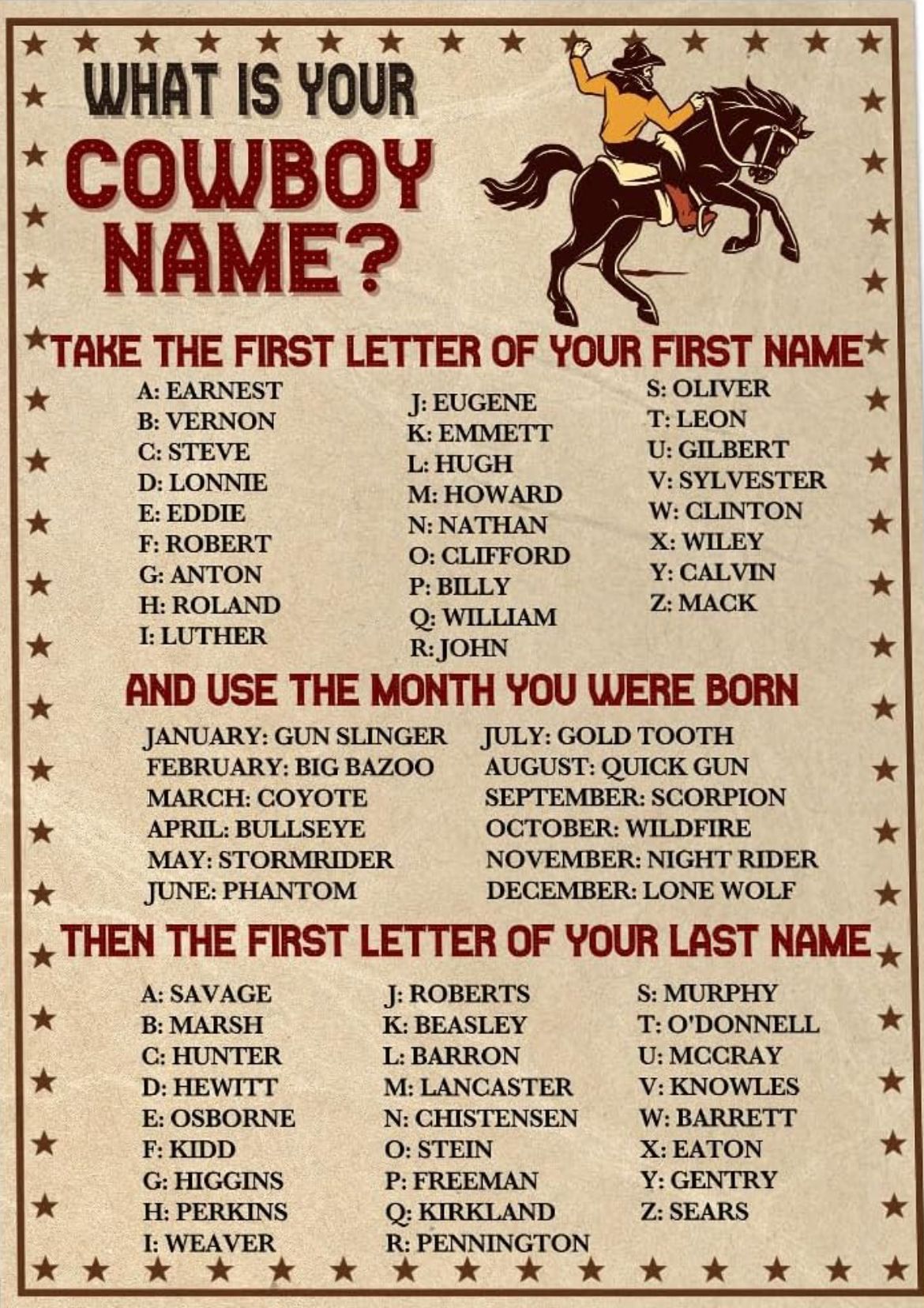
The Enduring Appeal of Classic Cowboy Names
Choosing a name with a Western heritage is more than just a nod to history; it is a way to embrace a legacy of resilience, independence, and the open range. Classic cowboy names have a distinctive rhythm and strength that allow them to stand out in a world of fleeting trends. Whether you are naming a character for a novel or looking for a moniker that echoes the grit of the frontier, these names provide a sense of authenticity that is difficult to replicate.
The fascination with the Old West continues to thrive in modern culture because the core values of the cowboy—bravery, loyalty, and self-reliance—remain deeply admired. Names from this era often carry a weight of history, having been carried by trail bosses, outlaws, and homesteaders alike. When you select a name from this category, you are tapping into a narrative that spans generations, ensuring that the identity remains relevant regardless of the decade.
Categorizing the Frontier Aesthetic
To understand the breadth of classic cowboy nomenclature, it is helpful to look at the different archetypes that defined the era. Not every cowboy name fits the same mold; some are born from the harsh reality of the ranching life, while others draw inspiration from the geography of the American West. By identifying the specific 'flavor' of the name you seek, you can better match a moniker to the personality or role you have in mind.
| Category | Primary Characteristics | Example Names |
|---|---|---|
| Rugged Trailblazers | Hard-sounding, short, punchy | Buck, Clint, Jed, Colt |
| Frontier Gentlemen | Sophisticated, classic, formal | Silas, Arthur, Wyatt, Theodore |
| Nature-Inspired | Earth, sky, and landscape | Clay, River, Flint, Sage |
| Outlaw Legends | Rebellious, mysterious, sharp | Jesse, Butch, Boone, Cassidy |
| Heritage Roots | Biblical or traditional origins | Samuel, Levi, Caleb, Abraham |
The Impact of Short and Punchy Monikers
One of the defining features of a true cowboy name is brevity. On the trail, there was rarely time for long, flowery titles. A single syllable or a sharp two-syllable name was often the standard for men who needed to be identified quickly and clearly across a crowded corral or a dusty range. This efficiency created a legacy of names that are incredibly memorable.
- Buck: This name evokes the spirit of a wild horse and the determination required to tame it.
- Jed: A shortened form of Jedidiah, it sounds approachable yet distinctly Western.
- Clint: Popularized by cinema, this name implies a quiet, steely resolve.
- Colt: Directly associated with the firearms that shaped the frontier, it suggests youthful energy.
- Boone: Named after the legendary frontiersman, it carries an air of exploration and survival.
- Hank: A classic, hardworking name that feels like a staple of any cattle drive.
The Sophistication of the Western Gentleman
While we often associate the Old West with raw grit, there was also a tradition of refinement among those who settled the frontier towns. Many classic cowboy names reflect a more formal upbringing, often derived from family heritage or academic roots. Choosing these names provides a balance between the rugged landscape and a sense of dignity or high character.
Why Formal Names Work in Western Settings
Formal names like Silas or Theodore suggest a character who brings order to the chaos of the frontier. They are often associated with the lawmen, bankers, or schoolteachers who played a crucial role in building the West. Using a more formal name can elevate a character, giving them a sense of gravitas that contrasts sharply with the harsh elements of their environment.
- Silas: A name that feels ancient and steady, perfect for a stoic mentor figure.
- Arthur: Suggests leadership and a noble spirit, often found in traditional Western literature.
- Wyatt: Immortalized by figures like Wyatt Earp, it balances justice with a sharp edge.
- Theodore: A classic choice that implies intellect and a strong sense of duty.
- Samuel: Timeless and reliable, this name fits perfectly in a homesteading narrative.
- Caleb: Often associated with the pioneers who traveled long distances to find a better life.
Drawing Inspiration from the American Landscape
The geography of the West was just as influential as the people who lived there. Many cowboys were named—or nicknamed—after the very earth they walked upon. These nature-inspired names connect the individual to the vast, untamed beauty of the canyons, rivers, and plains. They feel organic, grounded, and inherently tied to the environment.
"A name is more than just a label; it is a reflection of the environment that shaped the person. In the West, the land was the primary architect of character, and names often followed suit."
Using names like Flint or Clay provides a tactile sense of the landscape. These monikers are perfect for characters who are deeply connected to the outdoors, whether they are hunters, trackers, or simply those who find peace in the solitude of the desert. They avoid the artifice of modern naming conventions and stick to the raw elements.
The Legacy of Outlaw-Inspired Monikers
The history of the West is filled with notorious figures whose names have become synonymous with rebellion and adventure. While you might not want to name a character after a true villain, there is an undeniable allure to the names of the men who lived outside the law. These names often carry a hint of danger and unpredictability that makes them fascinating to audiences.
- Jesse: Forever linked to the outlaw culture, yet it maintains a classic, rhythmic appeal.
- Butch: Short for George, this nickname implies a tough, scrappy demeanor.
- Cassidy: A name that sounds both adventurous and slightly mischievous.
- Billy: Simple and unassuming, yet it carries the weight of the infamous Billy the Kid.
- Frank: A straightforward name that masks a complex and often dangerous inner life.
- Cole: Short, dark, and mysterious; it fits a character who prefers the shadows.
Strategic Naming: A Performance Dashboard Approach
If you are developing a persona or a character narrative, think of your naming process as a KPI (Key Performance Indicator) dashboard. You want your character's name to perform specific functions in the reader's mind, such as establishing authority, grit, or historical grounding. By tracking these metrics, you ensure the name contributes to the overall success of your narrative.
| KPI Metric | Measurement Formula | Target Status | Ownership |
|---|---|---|---|
| Memorability | Phonetic impact / Syllable count | High (1-2 syllables) | Character Arc |
| Thematic Alignment | Name meaning vs. Setting | Direct correlation | Narrative Goal |
| Historical Fidelity | Era-appropriate usage | High (1860-1900) | World Building |
Expanding Your Narrative Levers
- Auditory Impact: Use plosive sounds (B, K, P, T) to create a stronger, more masculine profile that resonates with readers.
- Historical Contextualization: Always cross-reference the name with period-accurate censuses to ensure the name wasn't invented in the 21st century.
- Cultural Resonance: Consider the regional roots of the name, such as Scottish-Irish or Germanic influences that dominated the frontier.
Experimental Naming Protocols
- The 'Shout Test': Say the name out loud in a simulated outdoor environment. If it doesn't carry across a noisy room, it may be too soft.
- Synonym Association: List five adjectives that describe your character, then match them to a name with similar etymological roots.
- Alliteration Audit: If pairing the name with a surname, ensure the cadence flows without tripping over itself.
Avoiding Common Naming Pitfalls
Many writers fall into the trap of choosing names that feel too 'Hollywood' or modern. When selecting a classic cowboy name, be wary of vanity metrics—names that sound cool to you but break the suspension of disbelief for the reader. Avoid names that are overly poetic or clearly derived from modern pop culture unless you are writing a pastiche or satire.
- Avoid double-barrelled names that feel too Victorian rather than frontier-focused.
- Steer clear of names that were not common in the late 19th-century American West.
- Do not over-explain the name; let the character's actions justify their moniker.
Weekly Review Agenda for Character Development
- Review the character name against the current setting of your story on Monday.
- Consult historical records or name dictionaries on Tuesday to verify origin.
- Test the name in dialogue during Wednesday's writing session.
- Collect feedback from peers or readers regarding the name's tone on Thursday.
- Finalize the name choice by Friday to move forward with the plot.
The Psychological Impact of Your Cowboy's Name
Choosing a name for your Western character is more than just a nod to historical accuracy; it is a fundamental tool for character building. A name carries a phonetic weight that dictates how the reader perceives a character before they even take their first shot in a saloon. Hard, plosive consonants—think Buck, Gus, or Clay—project strength, brevity, and a no-nonsense attitude suitable for a hardened drifter or a stoic sheriff. Conversely, softer, more melodic names like Silas, Jesse, or Beau often suggest a character with a hidden depth, a tragic past, or perhaps a more refined upbringing that they are trying to hide.
Consider the difference between a character named 'Caleb' and 'Jedediah.' While both are period-accurate, 'Caleb' feels modern and accessible, while 'Jedediah' carries the weight of fire-and-brimstone morality and religious austerity. When crafting your cast, think about the phonetic harmony of your names. A gang consisting of Rance, Hank, and Cole sounds like a coordinated, dangerous unit, whereas a group with disparate naming styles can create a sense of individual friction that adds texture to your narrative.
Common Pitfalls: What to Avoid in the Frontier Setting
Even if you have selected a historically grounded name, it is easy to fall into traps that break the reader's immersion. One of the most common mistakes is the 'Modern Nickname' syndrome. In the late 1800s, nicknames were almost always derived from geography, physical traits, or specific professions. Avoid giving a character a nickname that sounds like a modern gaming handle or a contemporary internet alias. Names like 'Shadow' or 'Ghost' can feel overly cinematic and cliché unless they are earned through specific plot points.
Furthermore, be careful with the 'Too Many Syllables' trap. While names like Montgomery or Theodore were certainly used, the average cowboy was a man of few words. If your protagonist’s full name is a mouthful, ensure they have a shorthand version that they actually use. A man named Bartholomew might introduce himself as such in a formal setting, but in the saddle, he is almost certainly Bart or Barty. Keeping the name grounded in the practical realities of frontier life—where time is short and the environment is harsh—is the surest way to make your character feel like they truly belong to the landscape you have built.
Quick Reference Table for Character Archetypes
| Archetype | Suggested Name | Vibe |
|---|---|---|
| The Stoic Lawman | Marshal Elias Thorne | Professional, firm, unwavering |
| The Gritty Outlaw | 'Snake' Jack Miller | Dangerous, unpredictable, rough |
| The Hardened Rancher | Silas 'Buck' Caldwell | Reliable, weary, salt-of-the-earth |
| The Mysterious Drifter | Beau 'Dusty' Rivers | Charismatic, elusive, restless |