
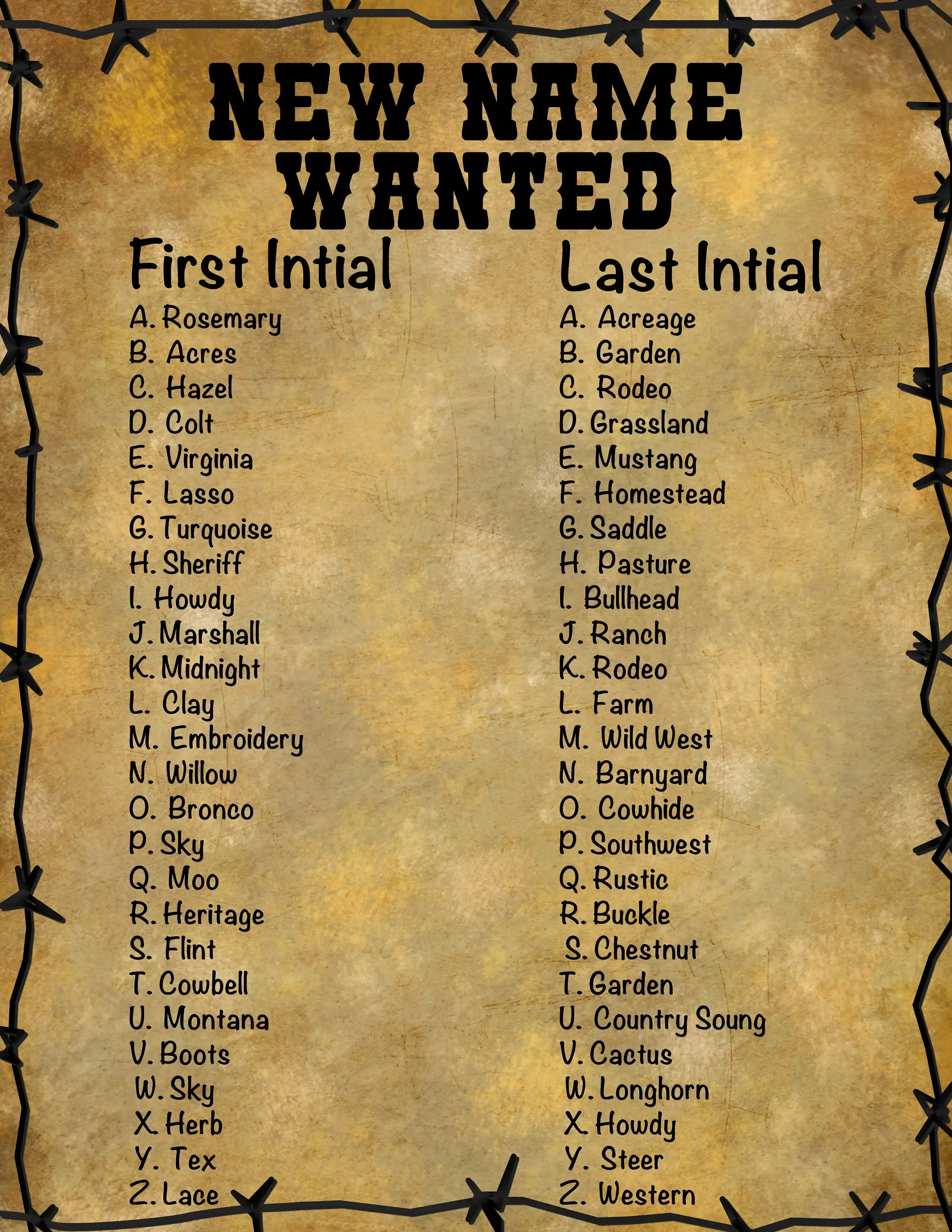
The Timeless Appeal of Frontier Monikers
Choosing a name rooted in the American West is more than just a nod to history; it is an embrace of a rugged, independent spirit that defined an era. Whether you are looking for a moniker for a newborn, a character in a novel, or simply a pseudonym that carries the weight of the frontier, the names of cowboys and outlaws provide a rich tapestry of inspiration. These names evoke images of dusty trails, expansive landscapes, and the grit required to survive in an untamed territory.
The era of the Wild West was populated by individuals whose names became synonymous with their deeds—or misdeeds. From the lawmen who maintained order to the outlaws who challenged it, the naming conventions of the 19th century were distinct, often favoring strong, monosyllabic sounds or classic, time-honored titles. By exploring this history, you can find a name that resonates with strength and timeless character.
Categorizing the Spirit of the West
To help you navigate the vast array of options, it is helpful to categorize names based on their historical archetypes. The following table outlines the different personas and the naming styles typically associated with them in the annals of frontier lore.
| Archetype | Naming Style | Vibe/Feeling |
|---|---|---|
| The Lawman | Formal, Sturdy | Reliable, Just, Authoritative |
| The Outlaw | Edgy, Mysterious | Rebellious, Dark, Intriguing |
| The Trailblazer | Rustic, Earthy | Adventurous, Bold, Free |
| The Rancher | Practical, Classic | Hardworking, Steady, Honest |
| The Saloon Legend | Flamboyant, Unique | Charismatic, Memorable, Loud |
Iconic Cowboy Names That Stand the Test of Time
Cowboys were the backbone of the frontier, and their names often reflected their humble yet demanding lifestyle. If you are searching for a name that feels grounded and dependable, look no further than the working men of the cattle drives. These names are often simple, classic, and easy to remember, which was essential in the high-stakes environment of the open range.
- Wyatt: A name famously associated with lawman Wyatt Earp, representing justice and unwavering courage.
- Jesse: Immortalized by the notorious Jesse James, this name carries a mix of charm and danger.
- Clay: A short, punchy name that feels as solid and reliable as the earth beneath a rider's boots.
- Caleb: A classic biblical name that was frequently used in the frontier era for its strong, traditional roots.
- Boone: Inspired by the legendary frontiersman Daniel Boone, this name screams adventure and wilderness exploration.
- Clint: A quintessential Western name that has become synonymous with the rugged, silent-type hero archetype.
Outlaws and Anti-Heroes: Names with a Dark Edge
There is an undeniable allure to the names of the men and women who lived outside the law. These outlaws shaped the folklore of the West, and their names often carry a sense of mystery, rebellion, and intrigue. Choosing an outlaw-inspired name can add a layer of complexity and depth to your character or project.
- Butch: Made famous by the leader of the Wild Bunch, this name feels tough, gritty, and inherently masculine.
- Billy: Often associated with Billy the Kid, this name suggests youth, speed, and a reckless disregard for authority.
- Cole: A sharp, modern-sounding name that links back to the Younger brothers, known for their daring train robberies.
- Cassidy: A name that bridges the gap between classic and cool, perfectly capturing the spirit of a charismatic bandit.
- Dalton: A surname-turned-first-name that sounds established, historical, and slightly intimidating.
- Frank: Simple and direct, this name was favored by many outlaws who wanted to blend in while standing out.
Troubleshooting Lab: When a Name Just Doesn't Fit
Even when you have a list of great candidates, it is common to hit a wall. Here is how to diagnose why a name might feel "off" and how to fix it.
| Symptom | Potential Cause | Fix |
|---|---|---|
| Name feels too modern | Pop culture influence | Choose a traditional surname |
| Hard to pronounce | Too many syllables | Shorten or use a nickname |
| Doesn't fit the setting | Anachronistic origin | Check historical census records |
| Lacks "punch" | Too soft-sounding | Use harder consonants (k, t, d) |
If the name sounds too "soft"
Sometimes a name feels like it belongs in a Victorian parlor rather than on a dusty trail. If your choice lacks that rugged edge, consider these steps to toughen it up:
- Evaluate the vowels; names with "u" or "o" sounds often feel deeper and more masculine.
- Add a strong, one-syllable middle name that grounds the full name.
- Consider a nickname that sounds more utilitarian, such as "Jack" instead of "Jackson."
- Ensure the name does not rhyme with common nursery rhymes, which can subconsciously soften the impact.
If the name feels historically inaccurate
If you are writing historical fiction, you want to avoid names that didn't exist or weren't popular in the 1800s. Follow these verification steps:
- Consult the Social Security Administration's historical name databases for the late 19th century.
- Avoid modern inventions or names that rely heavily on contemporary spelling trends.
- Check local genealogical records of the specific territory you are depicting.
- Cross-reference the name against known rosters of frontier towns or cattle trail crews.
The Role of Geography in Frontier Naming
Geography played a massive role in how people were named and addressed in the Old West. Often, individuals were known by the place they hailed from or the region where they made their name. Incorporating a geographic element can provide an authentic "Western" flavor without relying solely on traditional first names.
- Montana: Evokes the vast, wild landscapes of the Northern Rockies.
- Rio: Suggests proximity to the border and the heat of the desert.
- Dakota: A name that pays homage to the sprawling plains and indigenous history of the region.
- Austin: Connects the name to the heart of Texas and the rugged spirit of the Lone Star State.
- Sierra: Refers to the mountain ranges that served as both a barrier and a destination for settlers.
Tools for Finding the Perfect Historical Moniker
Finding the right name requires a mix of research and intuition. Using the right resources can save you hours of guesswork and help you uncover hidden gems from the frontier era.
- Historical Census Records: These are the gold standard for finding authentic names used in specific decades.
- Old West Newspaper Archives: Look for advertisements or articles from the 1870s and 1880s to see common naming patterns.
- Genealogy Websites: Many platforms allow you to search by location and time period, providing a wealth of real-world naming data.
- Biographies of Frontier Legends: Reading the life stories of historical figures often reveals the "why" behind their names and how they were perceived.
Escalation Path: When You Are Truly Stuck
If you have tried everything and still cannot find a name that clicks, follow this escalation process to break through your creative block:
- Step away from the lists and look at photographs of the era; visualize the type of person you are naming.
- Try combining two names from your "maybe" list to see if a compound name creates a unique sound.
- Ask for feedback from friends, but specifically ask how the name "feels" rather than if they "like" it.
- If all else fails, look at the names of towns, rivers, or landmarks from the era and adapt them into personal names.
Prevention Checklist for Name Selection
To ensure your selection process goes smoothly, keep this checklist handy before you commit to a final choice:
- Does the name have a clear, distinct pronunciation that doesn't cause confusion?
- Is the name free from unintentional modern political or cultural connotations?
- Does the name fit the era's aesthetic, or does it sound like a 21st-century invention?
- Have you checked for any negative associations with historical figures who might share the name?
- Does the name feel natural when spoken aloud in a sentence or dialogue?
The Influence of Indigenous and Mexican Culture
The American West was a melting pot of cultures, and the naming conventions of the time were heavily influenced by Indigenous peoples and Mexican settlers. These names brought a melodic and diverse quality to the frontier lexicon that is often overlooked in traditional Western media. Integrating these influences can add a layer of authenticity to your project.
The frontier was never a monoculture; it was a vibrant intersection of languages, traditions, and naming practices that defined the unique identity of the American West.
By exploring these cultural intersections, you can find names that are both historically accurate and deeply meaningful. Names like Mateo, Elena, or those derived from nature-based descriptors offer a beautiful contrast to the typical Anglo-Saxon names of the period.
How to Balance Authenticity with Readability
One of the biggest challenges in choosing a historical name is finding the balance between what is authentic and what is readable for a modern audience. A name that is 100% historically accurate might be difficult to spell or pronounce today, which can alienate your audience.
- Prioritize names that have a rhythm to them, as these are easier for readers to recall.
- Avoid names with obscure, archaic spellings unless they are essential to the character's background.
- Use a "name proxy"—a modern equivalent that feels similar to a historical name—if the original is too distracting.
- Test the name in a variety of contexts, such as a formal introduction or a casual shout across a ranch yard.
Avoiding Common Pitfalls in Western Naming
It is easy to fall into the trap of using stereotypes or overused tropes when selecting a Western name. To avoid this, be mindful of the following:
- Do not rely solely on movies or television for your naming inspiration, as these are often dramatized.
- Avoid "cowboy-ing" up a name by adding unnecessary apostrophes or strange punctuation.
- Steer clear of names that are too close to famous fictional characters, as this can break immersion.
- Be careful with titles (like "Tex" or "Slim"); these should feel earned by the character's background rather than just tacked on.
Final Considerations for Your Frontier-Inspired Selection
Choosing a name is a personal journey, and there is no single right answer. Whether you are drawn to the stoic strength of a lawman or the rebellious spirit of an outlaw, the most important thing is that the name speaks to you and the story you are trying to tell. Remember that a name is just the beginning; it is the person behind the name who truly defines its legacy.
If you need more inspiration, you can check out our guide on best Western baby names for boys and girls to see how these classic titles are being adapted for modern families. Additionally, exploring 75 cowboy names with strong Western meanings can provide the depth and context you need to make an informed decision. Take your time, trust your instincts, and enjoy the process of finding a name that captures the wild, untamed spirit of the frontier.